Who is this guide for? And how to use it…
This guide covers everything from market trends and manuscript formatting to submission tips and rejection handling. It includes extensive lists of pro, semi-pro, and token markets. Whether you’re just starting your writing journey or you’re a seasoned pro, there should be something here for you.
This guide is long, and it isn’t intended to be read all at once. Use the navigation bar on the left to move directly to the sections you need.
Whilst I’ll do my best throughout the year to keep the market list up-to-date, the main updates to this guide will drop annually, around December/January time. In the meantime, if you do find anything in this guide that is out of date, please let us know at admin@easonblackwood.com
See the Further Resources section at the bottom of the page for a free submissions tracker, a PDF download of the markets list, and a .md version of the markets list to drop into your Obsidian vault.
This guide is mainly focused on what is refered to in the industry as speculative fiction, though many of the sections can be applied generally to submissions in other genres.
What Counts as a Speculative Fiction Submission?
The term “speculative fiction” was popularised by Robert A. Heinlein in the late 1940s, at a time when science fiction writers were pushing to be taken more seriously. Heinlein used it as a synonym for science fiction and explicitly excluded fantasy.
Today, the term is used far more broadly. It encompasses science fiction, fantasy, horror, slipstream, magical realism, paranormal, weird, and dystopian fiction. Essentially, anything where the rules of the world deviate from our own.
You may also see magazines refer to “genre fiction”, though that tends to carry a pulp connotation and usually means science fiction, fantasy, and horror. Another term you will see is SFF, or SF&F, which is simply just science fiction and fantasy.
Editors favour “speculative fiction” precisely because it is broad. Many top magazines will publish anything with speculative elements, even stories where something is only subtly off-kilter. Others have narrower tastes. Each publication has its own definitions and expectations, which I’ll explain in detail throughout this guide.
The Modern SFF Submissions Landscape (2026 Overview)
Speculative fiction has one of the richest short story traditions in the world, stretching back to the pulp era of the early twentieth century. I won’t retrace the full history here, but if you’re interested, I’ve written more about it here and here.
What matters for our purposes is this: speculative fiction has the strongest, healthiest short story ecosystem of any genre today. If you write literary fiction, crime, or romance short stories and want to sell them to credible publications, your options shrink rapidly to a handful of longstanding journals and the occasional competition. Many charge entry fees. Many pay poorly. A few don’t pay at all.
Don’t get me wrong, these are not the halcyon days of old. One of my all-time favourite short fiction writers, Harlan Ellison, claims to have sold over over one-hundred SF short stories in one year early in his career, and could make a full time living selling short stories alone. Nobody is making a living selling short stories anymore, but if you write well and submit consistently, you can sell your work in 2026. You can build a readership. You can develop a reputation. And you can make some extra money while you’re doing it.
Today, when we are talking about speculative fiction markets, we are talking about one of three things:
Print-first magazines (with ebook editions)
This is the classic model. Publications like Asimov’s and Analog release monthly or bimonthly print issues, typically accompanied by digital editions. Stories are paywalled and cannot be read freely online; you’ll need a subscription or an issue purchase to access them.
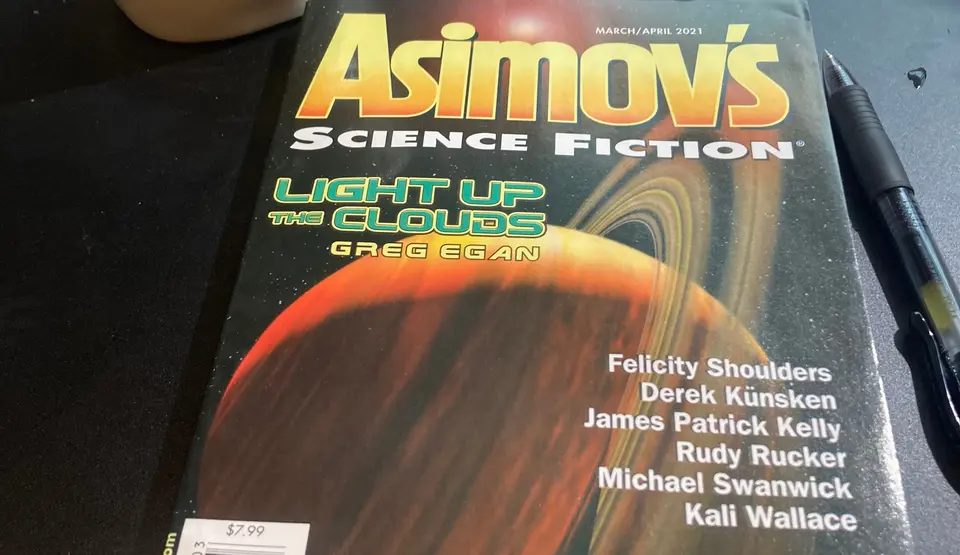
The great thing about getting published here is that you get an actual physical edition of something that you can put on your shelf. There’s a real thrill to someone printing and distributing words you wrote that’s difficult to replicate with digital editions.
Online-first magazines (free, web-based)
This is the dominant modern format. Sites like Clarkesworld, Strange Horizons, and Lightspeed publish all stories for free on their websites, often alongside optional print or ebook editions. These magazines rely on donations and subscriptions for support, often powered by sites like Patreon.
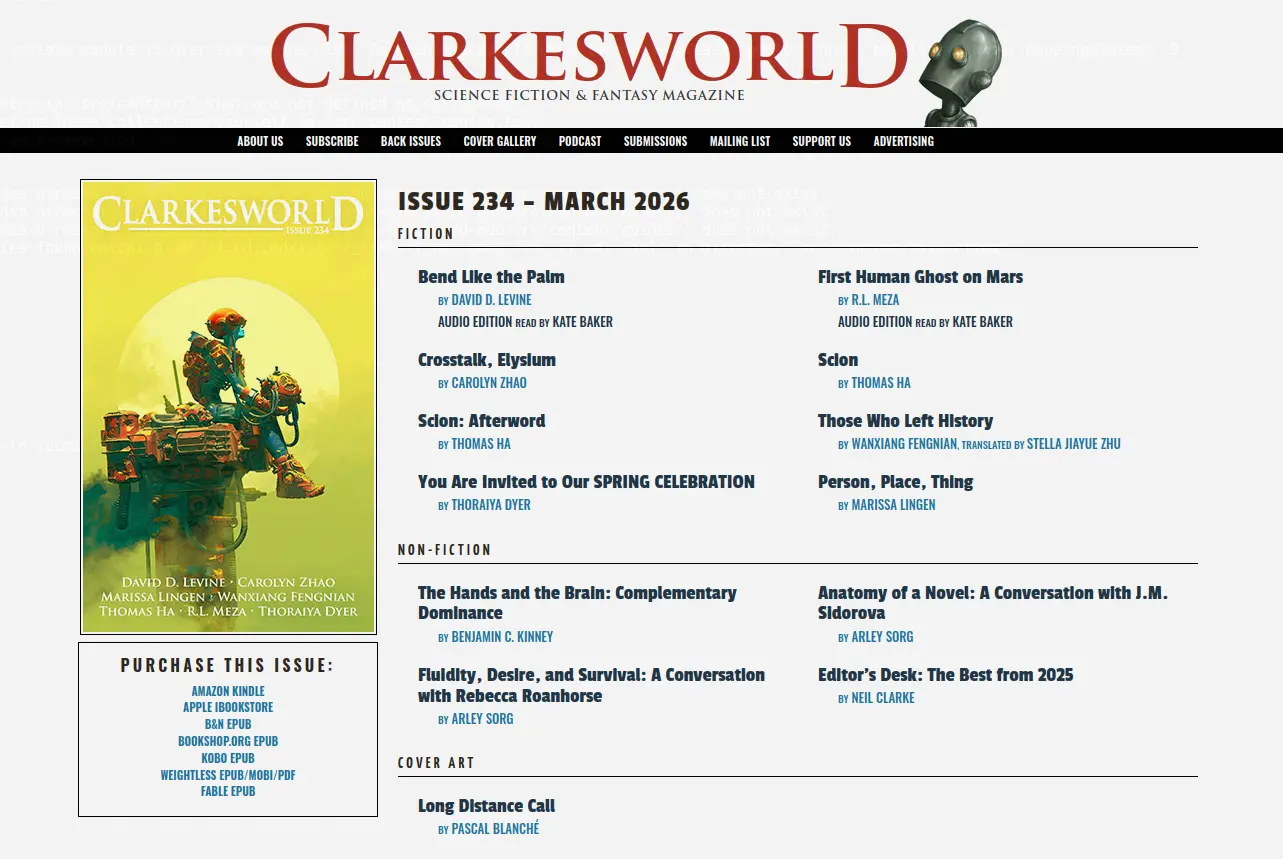
Often, these sites will have print editions as well, but they are usually an afterthought. The Clarkeworld print magazine for example has somehwat of a self-published, print-on-demand feel. Not necessarily a bad thing, but worth knowing all the same.
Competitions
These include markets like Writers of the Future. They operate on fixed submission windows and offer prizes rather than per-word rates. Writers of the Future, for example, awards $1000, $750, and $500 each quarter, along with publication in their annual anthology.
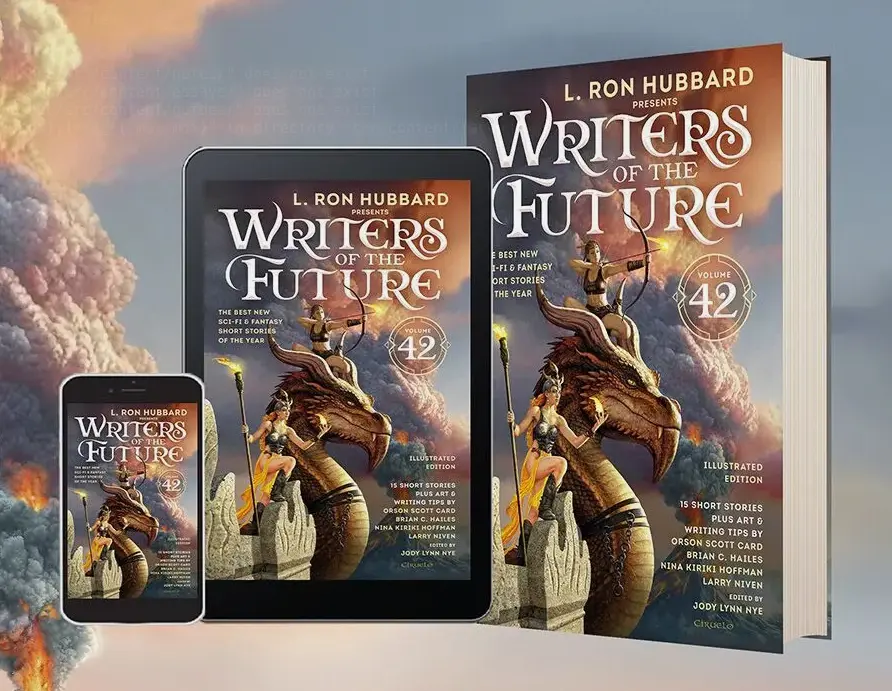
Beyond these, there are more specialised models: podcast-only markets, newsletter-delivered fiction, and occasional experimental formats (one site publishes fiction as a series of forum threads).
The good news for you, as a writer of speculative fiction, is that there is a lot out there. So much so that it can be overwhelming knowing where to look and what will be a good fit, which is exactly why I have written this guide.
How much can I make selling SFF short stories?
How much you can make selling short fiction varies widely depending on where you publish. Within the speculative fiction community, rates are generally discussed in three broad categories: pro, semi-pro, and token/flat-rate markets.
Professional rates in 2026 are defined by the Science Fiction and Fantasy Writers Association (SFWA) — formerly the Science Fiction and Fantasy Writers of America. SFWA is a non-profit organisation that advocates for writers and promotes fair, ethical practices in the SFF industry.
As an aside, the vast majority of these markets are located in the USA. That’s why all the rates below are listed in US Dollars even though I am an English writer.
When a market advertises a pro rate, they mean the minimum per-word payment set by SFWA. Since 2019, that standard has been $0.08 per word. At that rate, a 3,000–4,000-word short story will typically earn between $240 and $320.
There is no strict definition for semi-pro, but most writers treat it as anything between $0.02 and $0.07 per word. Below that is considered token payment, usually a symbolic amount rather than meaningful income. Token markets often pay a flat fee (e.g., $10 or $15) rather than a per-word rate.
So, how much can you realistically make? If you have a strong year and land one pro sale per month, plus a handful of semi-pro sales, you might add $3,000–$4,000 to your annual income. Reprints, anthology invitations, and special issues can increase that further, but these are unpredictable and vary from year to year.
The truth is that very few writers today make a full living from short fiction alone. However, the value of publishing in respected magazines goes beyond the pay-cheque. Appearances in well-regarded markets can help writers build visibility, attract agents, and establish credibility. Showing up in short fiction magazines was almost a neccesary precursor to becoming a novelist in days gone by. Isaac Asimov, Geroge RR Martin, and Stephen King, all got their start im SF&F magazines before they sold a novel. These days, though Short fiction publications aren’t as prestigious, they can still form an important part of your author ecosystem, one stream of income among many, and can often open doors.
SFF short story submissions acceptance rates
Even though speculative fiction markets are no longer as commercially dominant as they once were, the submissions landscape remains extremely competitive. There is no such thing as an easy sale, especially for writers who are just establishing themselves. Many authors submit consistently for years before earning a single credit from the magazines at the top of the field.
Most top-tier magazines have acceptance rates between 0–2% across all submissions. For new writers, the effective acceptance rate is often even lower. One uncomfortable truth that isn’t acknowledged often enough is that magazines want established writers. They will prioritise the next Ken Liu or N. K. Jemisin story over a new writer’s submission, and their slush process reflects that reality.
As we move further down the ladder, towards smaller pro markets and into semi-pro market, acceptance rates can rise into the 5–10% range. However, this is not a linear scale. For example:
- Interzone, a long-running and well-respected magazine paying only $0.01/word, had an acceptance rate of roughly 0.5%.
- Clarkesworld, one of the top-paying markets at $0.14/word, had a higher acceptance rate of around 1.4%.
Two factors help explain this inversion:
- Clarkesworld publishes more fiction (usually 6 stories per month), giving them more total slots to fill.
- Interzone’s prestige and history draw a disproportionately high volume of submissions despite its token pay rate.
Here’s the takeaway: short story submissions are a highly competitive endeavour at every tier of the market. But there are ways to improve your chances. See the section “How do I make my stories more appealing to editors?” below.
How to Find SFF Markets (Tools & Techniques)
When it comes to finding places to submit your speculative fiction, the landscape is far easier to navigate than it once was. There are several free and paid tools that make discovering markets straightforward. I’ll walk through the best of these below, as well as a few left-field options that can surface opportunities you might otherwise miss.
The important thing is that not every market is a good fit for your story. I will say this repeatedly throughout the guide, but if you want to sell short fiction, you must also be reading short fiction. Reading a lot and reading widely is the best way to figure out which markets best suit your voice. No tool can replace that. But these tools can tools can definitely help augment your process. .
The Submissions Grinder
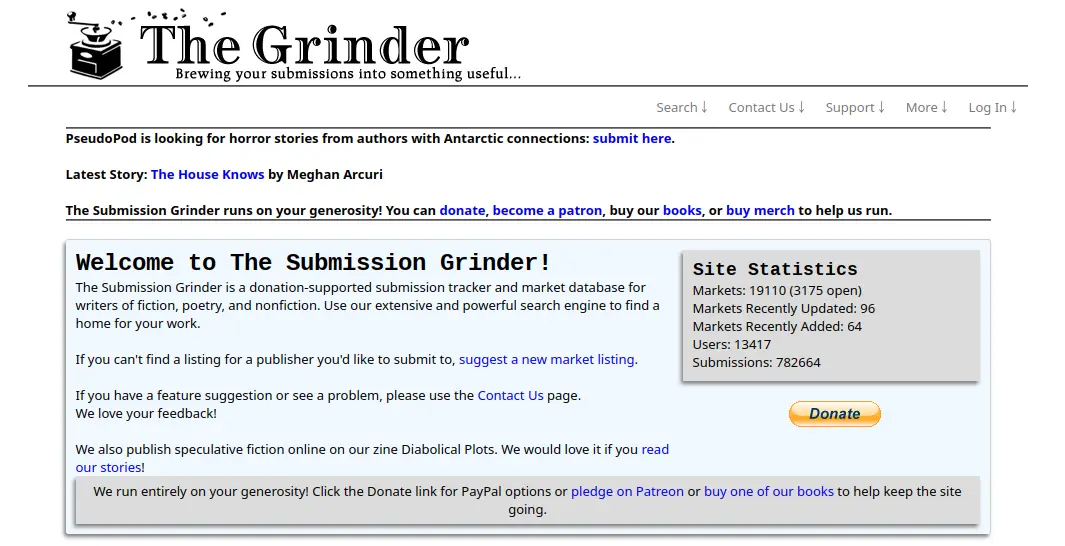
The Submission Grinder (usually just called “The Grinder”) is a free, community-driven submission tracker and market database. It is one of the most widely used tools in the SFF community. Markets are kept up-to-date by a combination of the site’s maintainers and the writers who use it, meaning the listings tend to be reasonably current. The Grinder allows you to log where you’ve submitted each story, track response times, and see aggregated community statistics such as average wait times and reported acceptance rates.
Duotrope
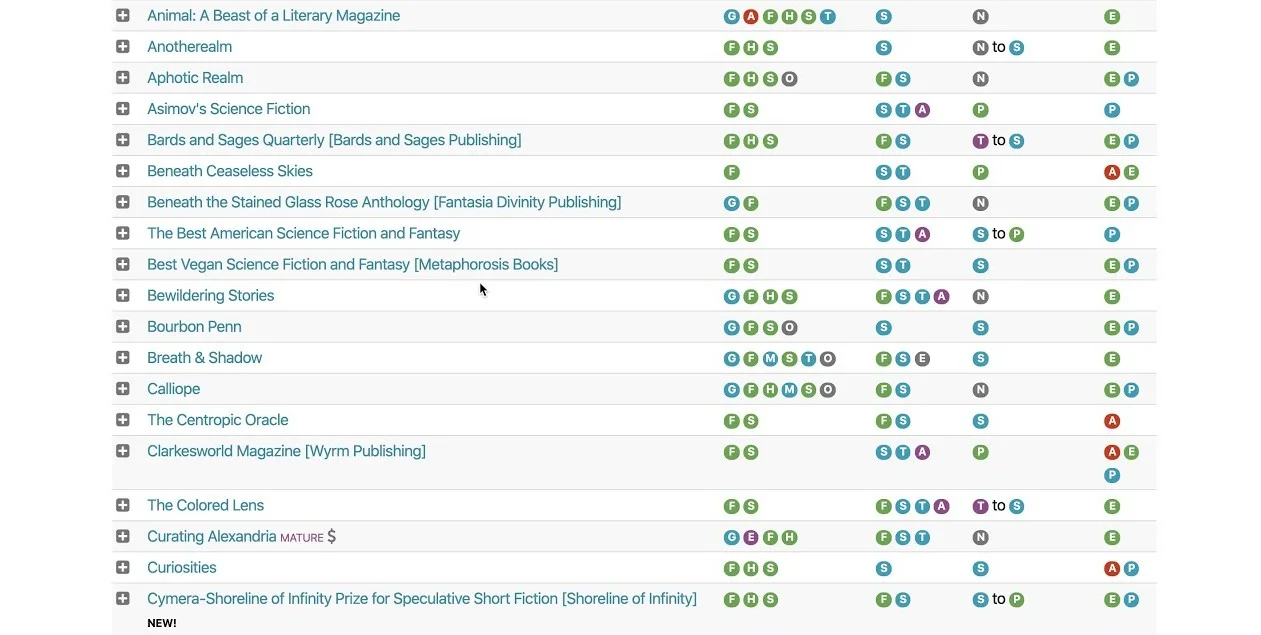
Duotrope is a paid service that offers a highly polished, curated database of markets, along with advanced search tools, submission tracking, and stats summaries. For many years it was the default tool (and my personal favourite) for fiction writers of all genres, and while the rise of free Duotrope alternatives has changed the landscape, Duotrope remains popular.
Chill Subs
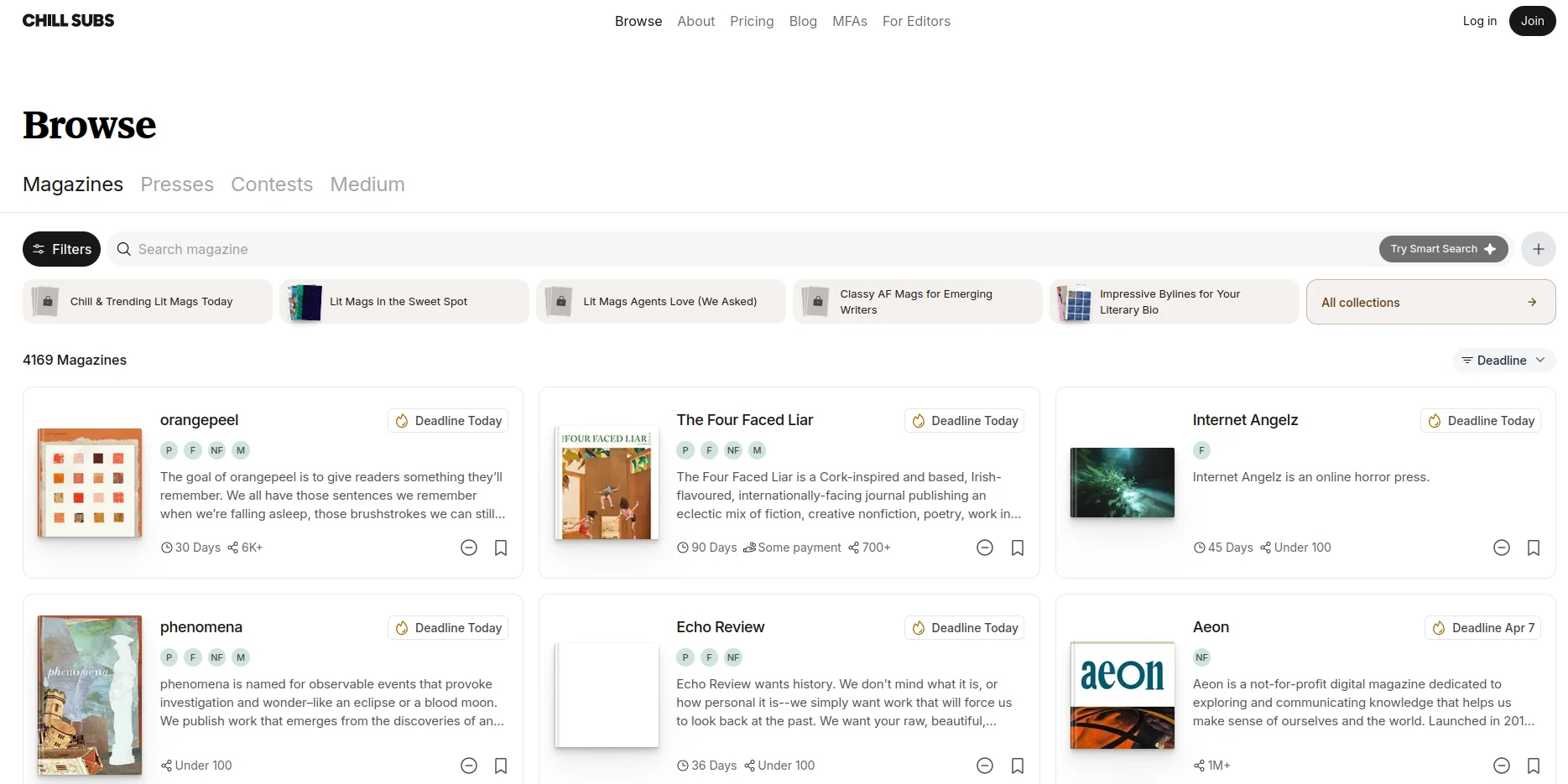
Chill Subs is a modern, visually clean submission-market aggregator that has grown a lot over the last few years. Chill Subs places more of an emphasis on aesthetics and user experience. Although it does slant more toward poetry and literary magazines, its coverage of speculative fiction markets has expanded significantly and continues to improve.
This Guide
This guide is updated quarterly and features a list of the current top markets and my personal favourite markets in the speculative fiction space. The search features aren’t as extensive as The Grinder, but if you just want an up-to-date list of respected, popular markets, complete with genre tags and links to submission guidelines, this guide will be ideal.
Speaking of…
2026 Speculative Fiction Market List
Below are my curated lists of the best pro, semi-pro, and token speculative fiction markets as of 2026. I’ve included key details for each market, such as payment rates, word counts, and submission information, but you should always click through and read a magazine’s guidelines and published fiction for yourself.
A Note on Selection Criteria
This is not an exhaustive list. These markets have been heavily curated according to a few specific criteria. For example, markets are excluded if:
- Their submission requirements are extremely narrow or theme-specific.
- They do not clearly communicate submission windows in advance.
- They are geographically restricted.
- They are highly restrictive about who may submit.
There are plenty of excellent markets not included here. My goal was not completeness, but usability. I wanted to create a list of markets that are consistently open, accessible, professionally presented, and straightforward to submit to.
I also tend to favour magazines with strong presentation, clean website design, and a classic multi-contributor magazine structure. Especially in the token and free sections, I’ve prioritised markets that showcase writers professionally and make the reading experience feel intentional and curated.
If you know of some great magazines you think deserve to be featured, let me know at admin@easonblackwood.com
🏅 PRO MARKETS
These are the best paying speculative fiction magazine with regularly open submissions. These are all SFWA qualifying markets paying $0.08 per word or more, and span all speculative genres; fantasy, science fiction, horror, or magical realism, and everything in between.
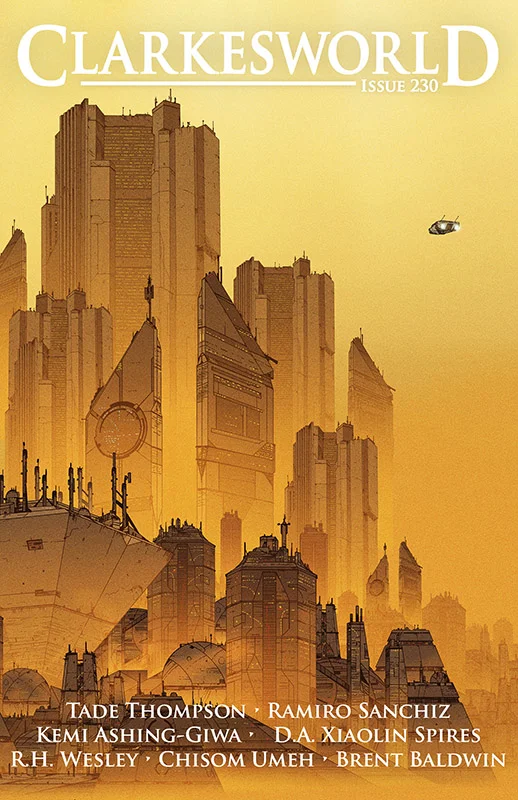
Clarkesworld
ProRate
12c/word (USD)
Window
Open all year
Genres
Formats
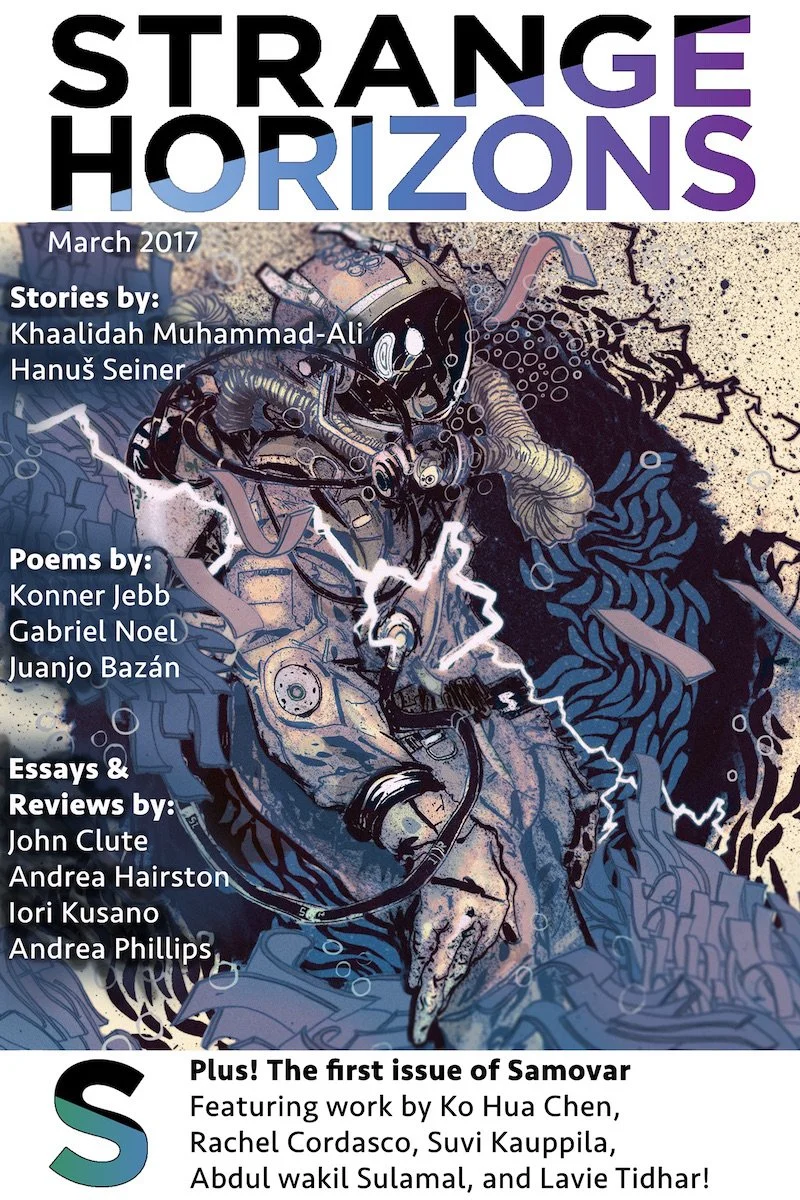
Strange Horizons
ProRate
10c/word (USD)
Window
Varied / periodic - check website
Genres
Formats
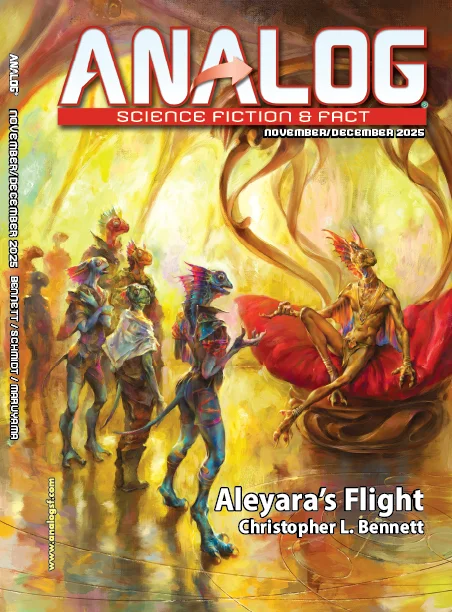
Analog Science Fiction & Fact
ProRate
10c/word (USD) up to ~7,500 words; 8c/word beyond (up to around 20,000 words)
Window
Open most of the year (check website for details)
Genres
Formats
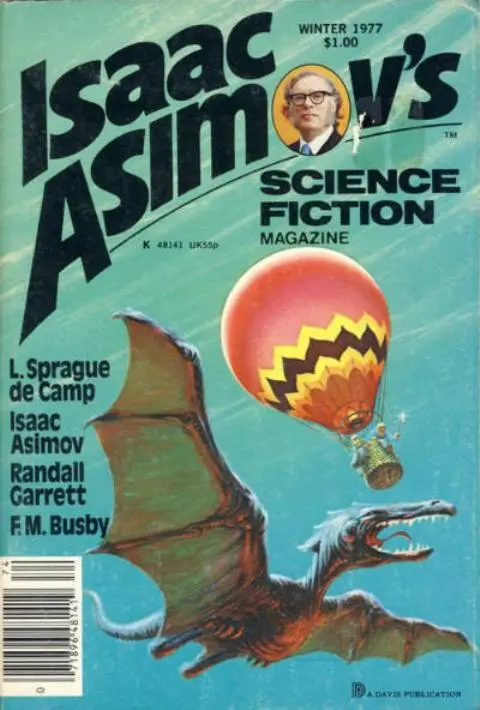
Asimov's Science Fiction
ProRate
8-10c/word (USD) for first ~7,500 words; 8c/word thereafter (up to ~20,000 words)
Window
Open most of the year (check website)
Genres
Formats
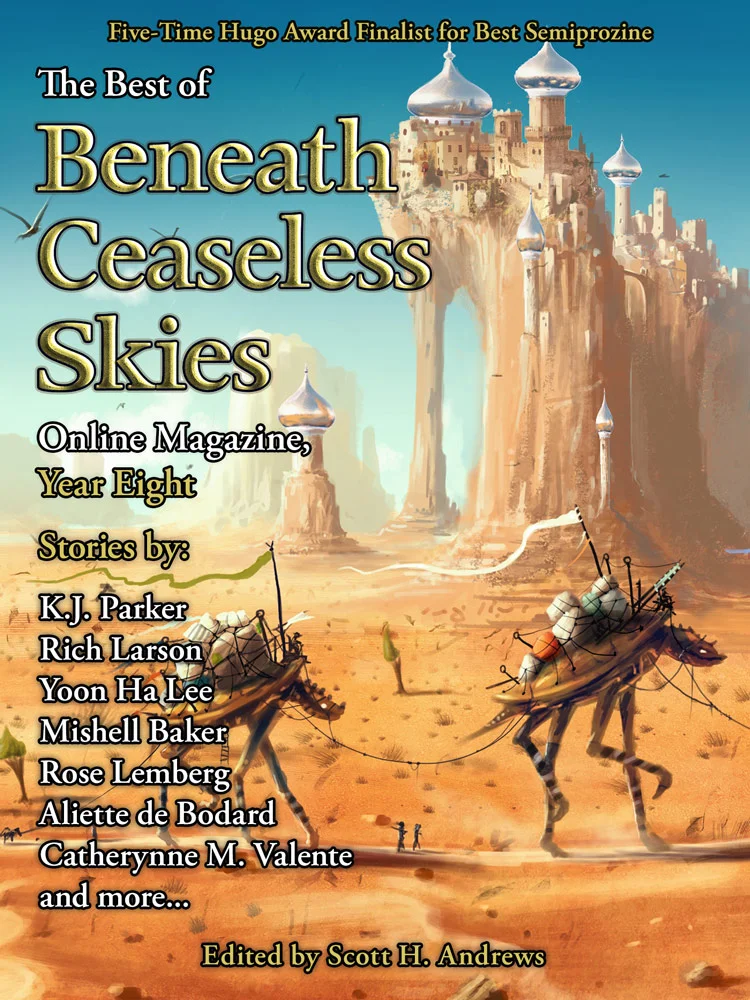
Beneath Ceaseless Skies
ProRate
8c/word (USD)
Window
Open all year
Genres
Formats
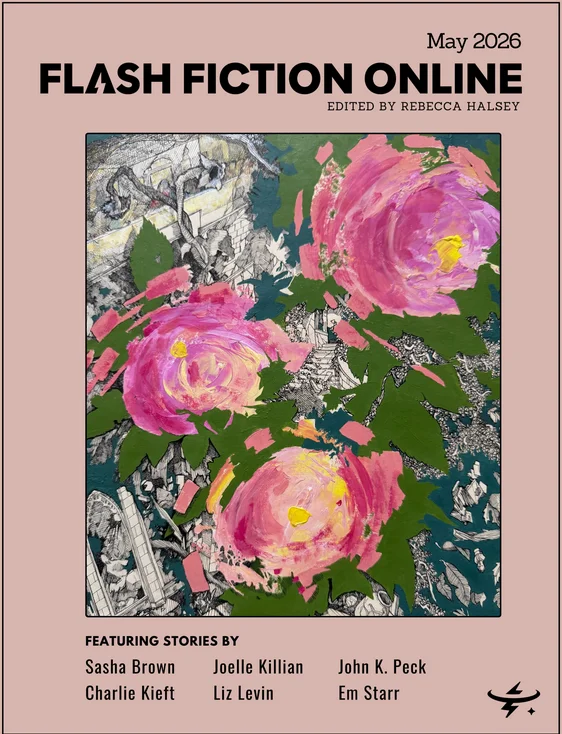
Flash Fiction Online
ProRate
$100 per story
Window
Varied / periodic - check website
Genres
Formats
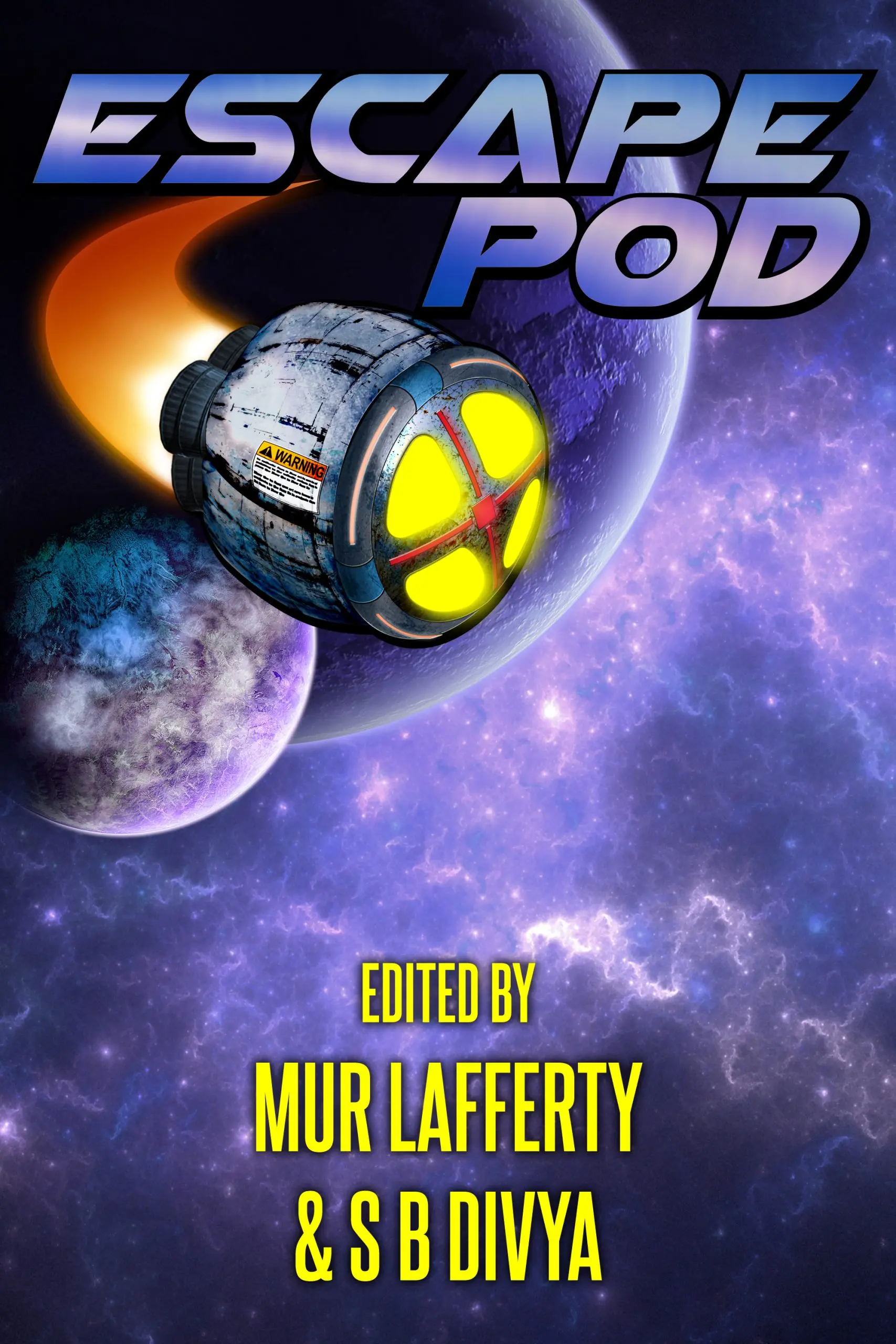
Escape Pod
ProRate
8c/word (USD)
Window
Open all year
Genres
Formats
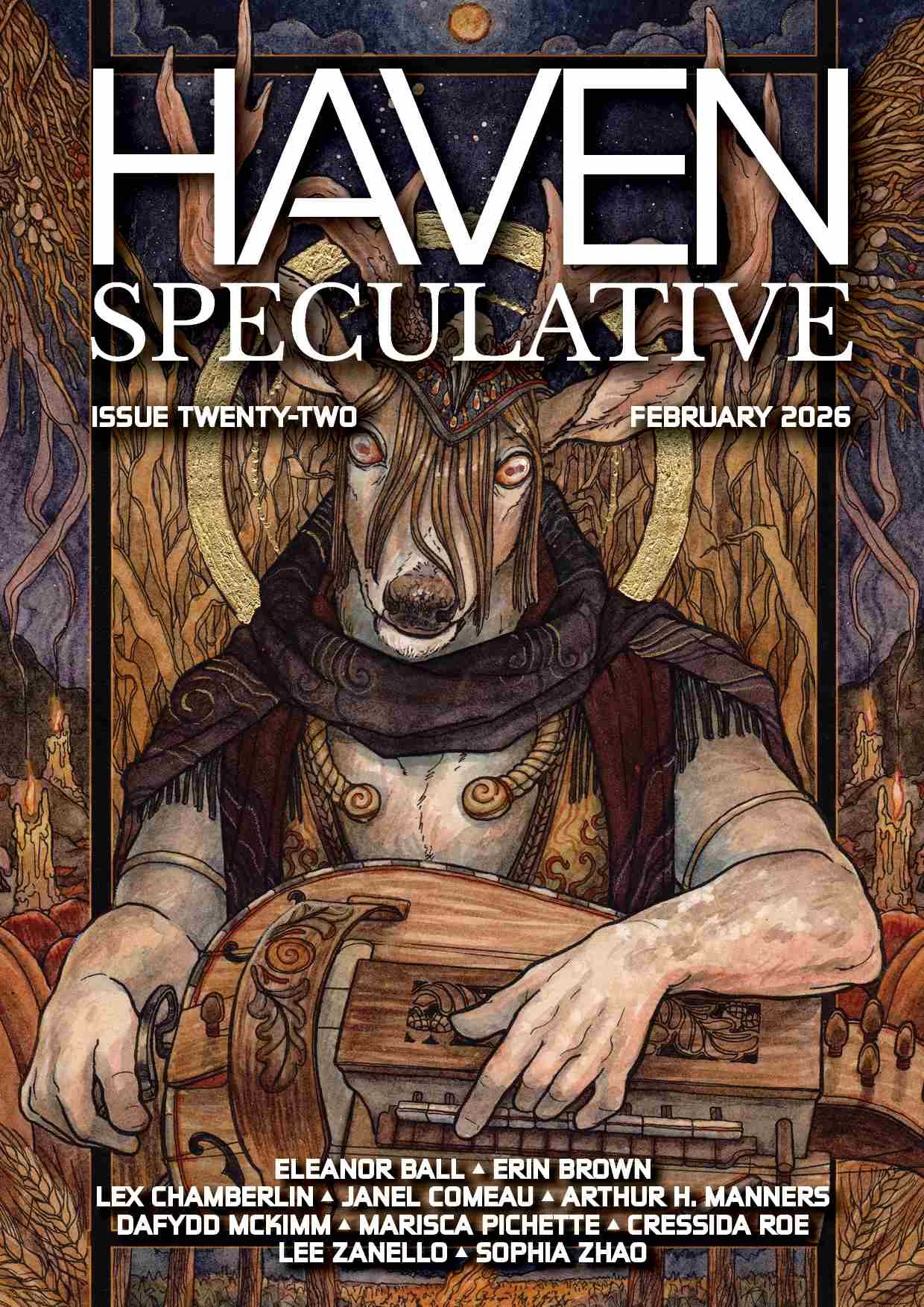
Haven Spec
ProRate
8c/word (USD)
Window
Varied / periodic - check website
Genres
Formats

Three-Lobed Burning Eye
ProRate
8c/word (USD)
Window
Periodic — Jan, May & Sep windows
Genres
Formats
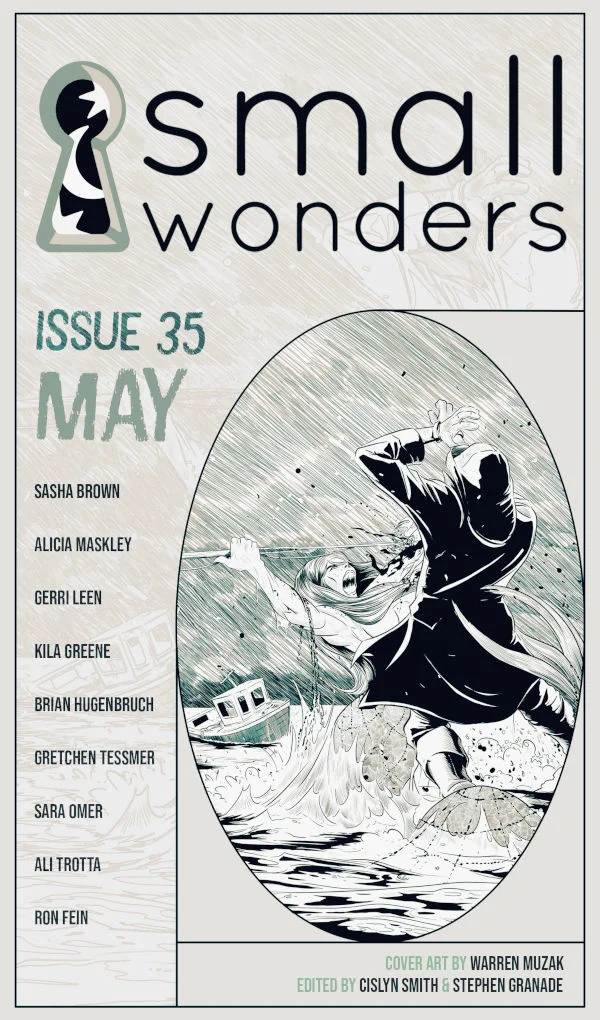
Small Wonders
ProRate
10c/word (USD)
Window
Varied / periodic - check website
Genres
Formats
Utopia Science Fiction
ProRate
8c/word (USD)
Window
Open — themed windows, check website
Genres
Formats
🥈 SEMI-PRO MARKETS
Semi-pro markets typically pay between $0.02 and $0.07 per word. Many publish excellent work and carry real weight in the SFF community.

The Dark Magazine
Semi-proRate
5c/word (USD)
Window
Open all year
Genres
Formats

Lady Churchill's Rosebud Wristlet
Semi-proRate
3c/word (USD), $25 min; $10/poem
Window
Varied / periodic — check website
Genres
Formats
Seize the Press
Semi-proRate
3p/word (GBP)
Window
Open all year
Genres
Formats
Interzone
Semi-proRate
1.5¢/word (EUR)
Window
Open all year
Genres
Formats
Intrepidus Ink
Semi-proRate
2c/word (flash); $30 flat (short story)
Window
Varied / periodic — check website
Genres
Formats
Radon Journal
Semi-proRate
2.5c/word (USD), $15 min; $25/poem
Window
Varied / periodic — check website
Genres
Formats
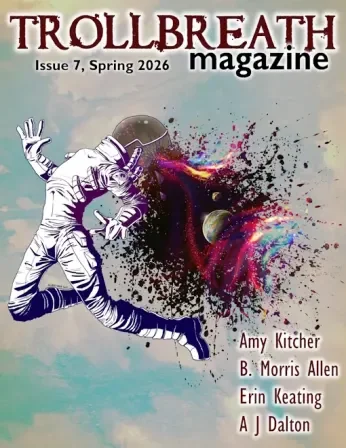
Troll Breath
Semi-proRate
4c/word (USD)
Window
Open — closed Nov & Dec
Genres
Formats
Foofaraw
Semi-proRate
2c/word up to $50 (fiction); $1/line up to $25 (poetry)
Window
Quarterly + rolling novelette/op-ed windows
Genres
Formats

Waxen
Semi-proRate
$50 flat + contributor copy
Window
Quarterly — Mar, Jun, Sep & Dec 15
Genres
Formats

Body Shots
Semi-proRate
$35–$150 (based on word count)
Window
Varied / periodic — check website
Genres
Formats
🥉 TOKEN & FREE MARKETS
These markets range from no fee to under $0.02 per word. They are worth submitting to for building publication history and getting editorial feedback, particularly for shorter or more experimental work.
Electric Spec
TokenRate
$20 flat
Window
Quarterly — closes Jan, Apr, Jul & Oct 15
Genres
Formats
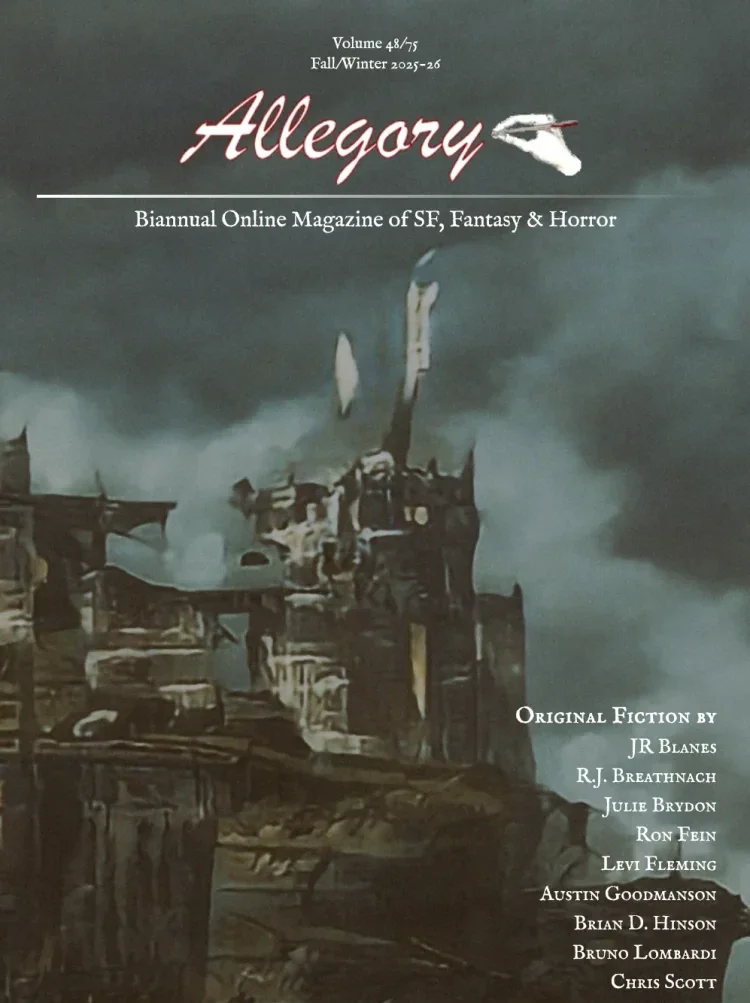
Allegory
TokenRate
$15 flat
Window
Bi-annual — May–Jun & Nov–Dec
Genres
Formats

Black Cat Weekly
TokenRate
1c/word ($5 min, $50 max)
Window
Open all year
Genres
Formats
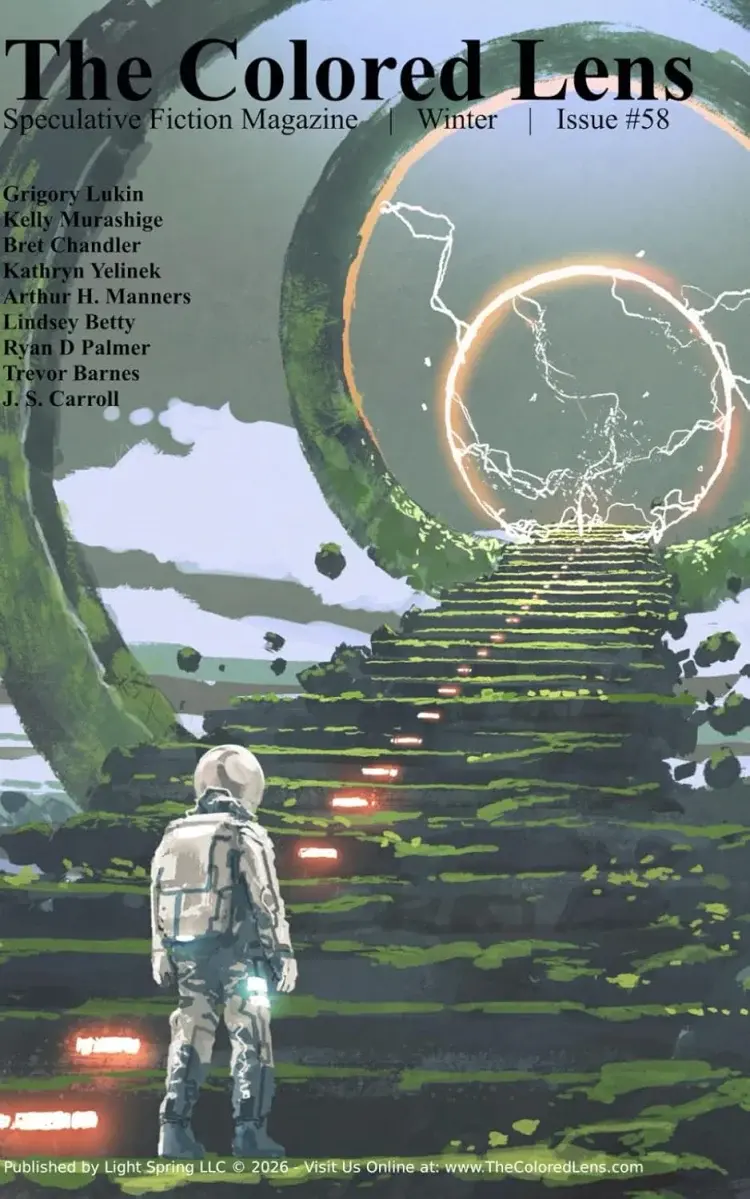
The Colored Lens
TokenRate
$20 (short story); $10 (flash)
Window
Quarterly — check website
Genres
Formats
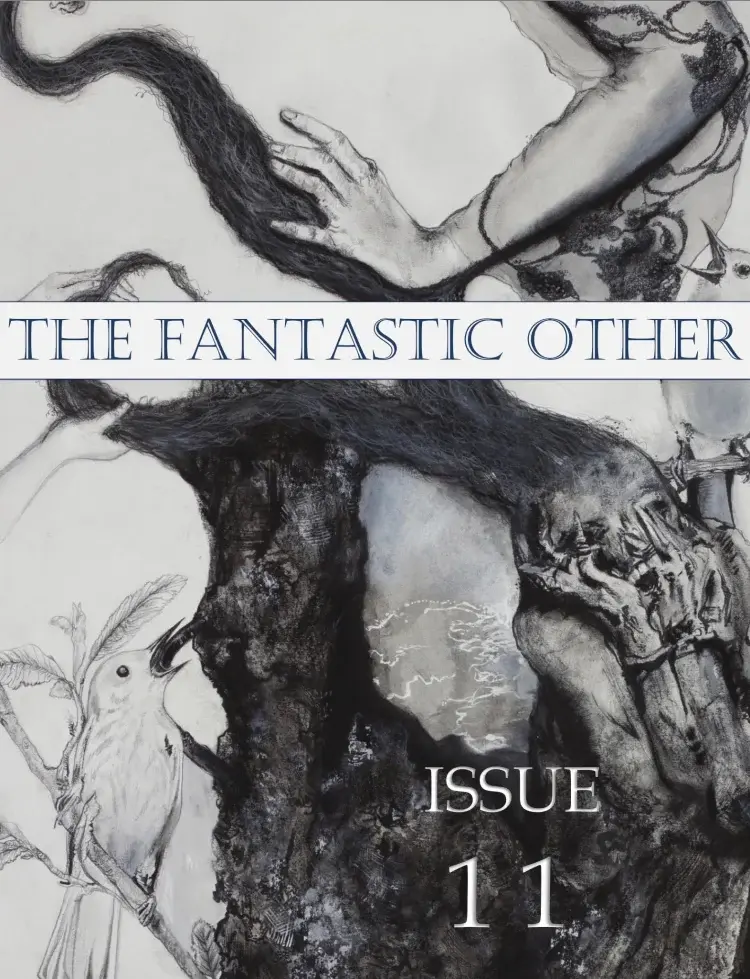
The Fantastic Other
TokenRate
$5 flat
Window
Quarterly — check website
Genres
Formats
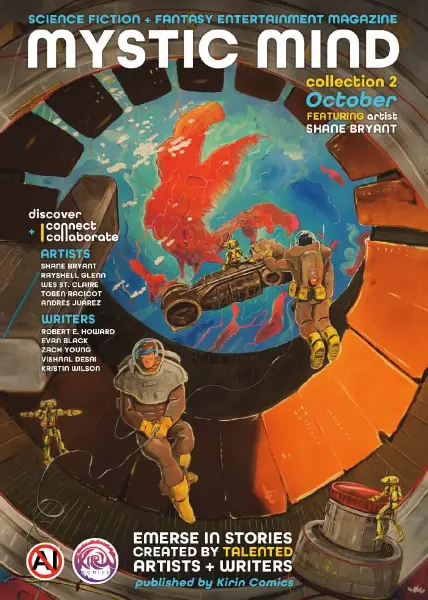
Mystic Mind Magazine
TokenRate
$5 flat
Window
Open all year
Genres
Formats
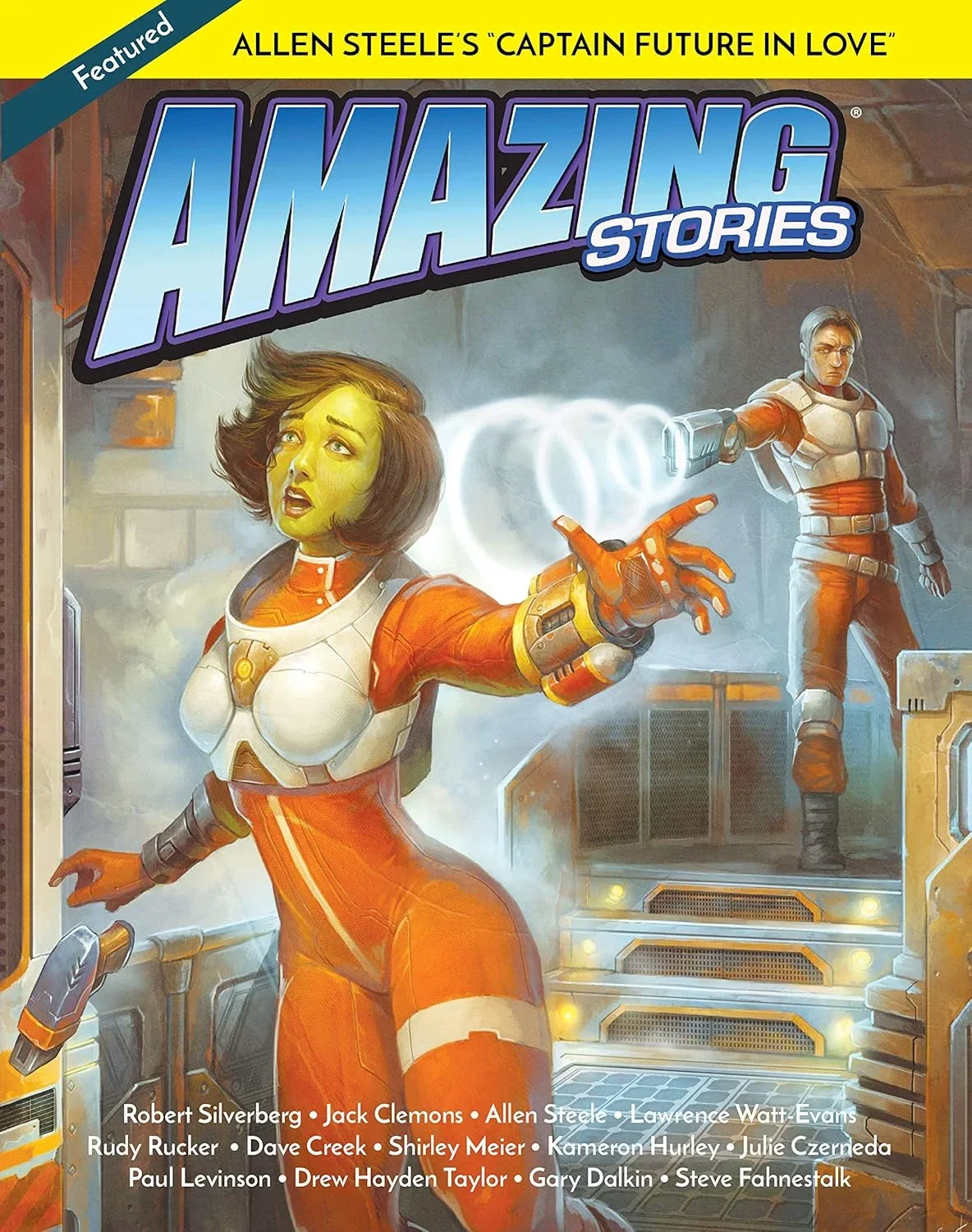
Amazing Stories
TokenRate
$30 (short story 2,500+ words); $15 (flash / poetry / reprints)
Window
Open — check website
Genres
Formats
Arcanist Online
TokenRate
$10 flat
Window
Rolling — fiction published (almost) weekly
Genres
Formats
How to Prepare Your Story for Submission
No one knows how many good stories are passed over because the manuscripts containing them are poorly formatted. We can be certain, however, that editors will more eagerly read a cleanly formatted manuscript than a cluttered and clumsy one.
Before you hit send on any submission, you need to make sure your manuscript is professionally formatted and error-free. Editors receive hundreds, sometimes thousands, of submissions each month. A story that is riddled with typos or is poorly formatted signals both carelessness and inexperience. It also makes an editors job just that little bit harder than it needs to be. Don’t give them an easy reason to reject you. Preparing a story for submission isn’t complicated. It just requires attention to detail and a systematic approach. Here’s how to do it properly.
The Final Proofread
This should be obvious, but it’s worth stating explicitly: you must proofread your story before submitting it. And I don’t mean a quick skim. I mean a proper, careful read-through where you’re actively hunting for errors and slips. The best method I’ve found to catch mistakes is to read your story aloud. Reading aloud forces you to slow down and actually see what’s on the page rather than what you know should be there. You’ll catch awkward phrasing, missing words, and rhythm problems that you might otherwise have missed.
Another good tip is to try changing the format. Print your story out and read it on paper, download it onto an e-reader, or change the font and text size in your word processor. I don’t know why this works so well, but I’ve found even a small visual shift helps you see the text with fresh eyes.
Pay particular attention to:
Typos and spelling errors. Spellcheckers are good, but don’t rely on them exclusively. Spellcheck often won’t catch “form” when you meant “from,” or “its” when you meant “it’s.”
Grammar and punctuation. Misplaced commas, sentence fragments, and agreement errors are common in first drafts. Clean them up.
Consistency. If your protagonist’s eyes are blue on page one, they shouldn’t be green on page ten (I once described both the intense sunlight and the full moon in the same scene). If you’re using British English spelling, stick with it throughout.
Formatting slips. Extra spaces, inconsistent paragraph breaks, stray italics. These sneak in during editing and revision.
One thing to note: perfection is not the goal. Editors understand that the occasional typo slips through. What they’re looking for is evidence that you’ve taken the work seriously and made a genuine effort to present it professionally.
Standard Manuscript Formatting
Manuscript formatting for short fiction has been standardised for decades, and while some magazines have specific preferences, the core conventions are universal. Following them signals professionalism. Ignoring them signals that you’re either new to submissions or don’t care about industry norms. Neither of which is good.
The gold standard for manuscript formatting – not just in speculative fiction, but across all genres – is William Shunn’s Proper Manuscript Format. Shunn, a science fiction writer and Hugo and Nebula Award nominee, laid out these long-standing practices in the early 1990s, and his guide has been the definitive reference ever since. If you’re new to submissions, it’s well worth reading in full.
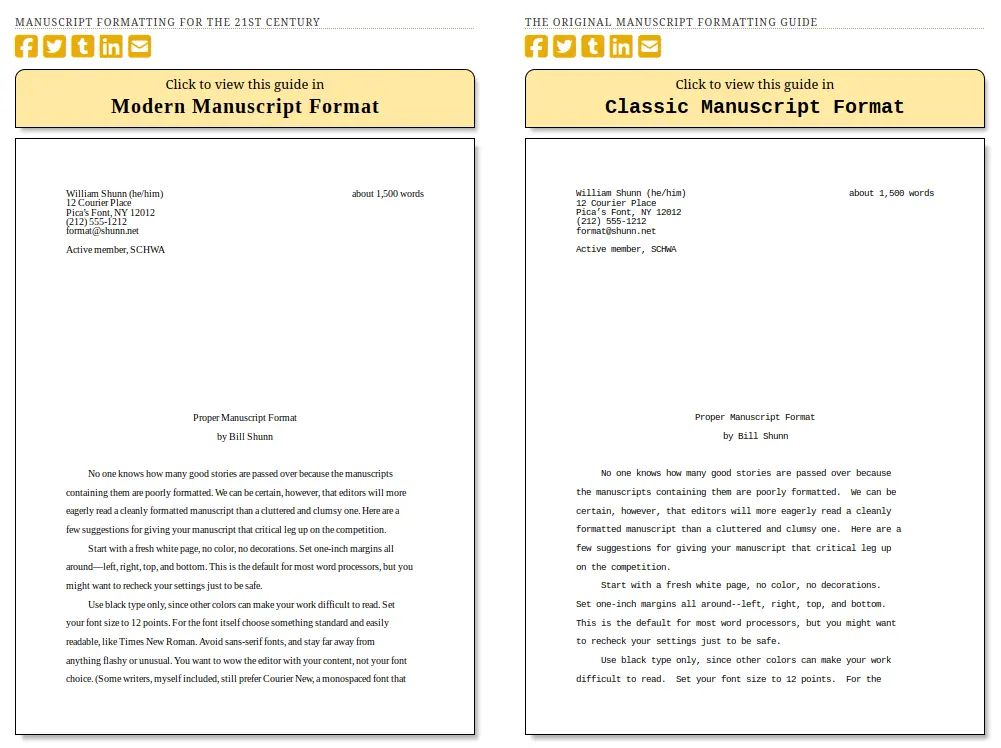
Shunn presents two versions of the format: Classic and Modern. The differences are purely mechanical. Classic reflects typewriter limitations: Courier font, two spaces between sentences, and underlining instead of italics (because typewriters couldn’t produce italic text). Modern updates those conventions for the word processor era.
In practice, Modern format is what most writers use today, and it’s widely accepted. Unless a magazine’s guidelines explicitly state otherwise, Modern Shunn format is a safe, professional default.
File Naming Conventions
This is a small thing, but it matters. When an editor downloads your manuscript, they don’t want to see “final_version_3_REVISED.docx” in their submissions folder. They’re managing hundreds of files. Make life easier for them by using a clear, professional filename.
The standard convention is: LastName_StoryTitle.docx
For example:
Smith_TheLastAstronaut.docx
Garcia_WhisperingStars.docx
Okafor_BeneathTheSurfaceOfMars.docx
If your story title is long, you can abbreviate it, but keep it recognisable.
Do not include version numbers, dates, or unnecessary words like “submission” or “final.”
File format: Most magazines accept .doc or .docx files. Some also accept .rtf (Rich Text Format), and a few still accept .pdf, though this is less common. Check the submission guidelines for the specific market you’re targeting.
If a magazine uses an online submission system like Submittable or Moksha, the system will tell you which file formats are acceptable. Follow their instructions exactly.
Removing Identifying Information for Blind Submissions
Some magazines use blind submissions. This means the editors read your story without knowing who wrote it. Your name, contact information, publication history, and any other identifying details are stripped from the manuscript before it reaches the first reader.
The goal is to reduce unconscious bias. Editors can’t favour writers they know, or dismiss writers they don’t, if they don’t know who anyone is.
If a magazine uses blind submissions, they will tell you explicitly in their guidelines. The Writers of the Future competition does this. When submitting to these markets, you need to prepare your manuscript accordingly. If you leave any any clues to your identity at all, that will usually result in being rejected on the spot.
The submission system will usually have separate fields for your contact information and bio, so editors can access this data if they need it. But the version of the manuscript that goes to the first reader should be completely anonymous.
Final Format Pass
Once your story is proofread, and your formatting is correct, do one final pass before submitting. This is where you check for the small, easy-to-miss details that can trip you up.
Here’s a checklist you can follow:
- Is the word count accurate and rounded to the nearest hundred?
- Is my contact information correct and up-to-date?
- Have I double-checked the filename?
- Have I removed identifying information if this is a blind submission?
- Is the file format correct for this market?
- Have I included scene break markers where needed?
One last tip: do not submit a story the moment you finish revising it. Let it sit for a day or two, then come back to it. You’ll catch errors and awkward phrasing you missed when you were too close to the work. Distance creates clarity.
When you’re confident the story is as good as you can make it, and the manuscript is formatted correctly, you’re almost ready to submit. But you will sometimes need one more thing.
How to Write an SFF Cover Letter (Examples!)
I spent all too much time obsessing over cover letters in the early days, thinking it was my chance to woo the editor ahead of time, and forgetting that all that really matters is the story and the writing.
A cover letter is simply a brief note you send along with your story submission. It introduces you to the editor, provides essential information about the story, and sets a professional tone. That’s it. It’s not a sales pitch, a plot summary, or a place to explain your story’s themes. It’s a formality, and it should be treated as such. Most editors spend about five seconds reading a cover letter before moving on to the manuscript. They’re not looking for anything elaborate. They want to know who you are, what you’re submitting, and whether you’ve been published before. If your cover letter is polite, professional, and concise, you’ve done your job.
What Goes in a Cover Letter
A good cover letter includes:
A greeting. Address the editor by name if possible. “Dear [Editor Name]” is standard. If you can’t find a specific name, “Dear Editors” or “Dear [Magazine Name] Team” is acceptable.
The story title and word count. State clearly what you’re submitting. “Please consider my 4,500-word science fiction story, ‘The Last Astronaut,’ for publication in [Magazine Name].”
A one or two-sentence story description (optional). Some writers include a brief logline or hook. This is not required, but if your story has a strong, clear premise, it can be useful. Keep it short. “‘The Last Astronaut’ follows a disgraced pilot who must return to space to save the crew that abandoned her.”
Your publication credits. If you’ve been published before, mention your most relevant or prestigious credits. Two to four is enough. “My work has appeared in Clarkesworld, Lightspeed, and Apex Magazine.”
A closing. Thank the editor for their time and consideration. “Thank you for your time and consideration. I look forward to hearing from you.”
Your name and contact information. Include your email address. If the submission is via email, this is already in your signature, but it doesn’t hurt to include it in the body of the letter as well.
That’s it. A good cover letter is three to five sentences long. If yours is longer than half a page, it’s too long.
Standard Cover Letter Template
Here’s a template you can adapt for most submissions:
Subject: Submission “The Last Astronaut”
Dear Neil Clarke,
Please consider my 4,500-word science fiction story, “The Last Astronaut”, for publication in Clarkesworld. The story follows a disgraced pilot who must return to space to save the crew that abandoned her.
My work has appeared in Lightspeed, Apex Magazine, and Escape Pod.
Thank you for your time and consideration.
Best regards,
Emma Smith
Notice how short this is. It tells the editor everything they need to know in four sentences.
If you’re submitting for the first time and don’t have any publication credits yet, don’t panic. Editors are used to reading submissions from new writers. You don’t need to apologise for being unpublished or try to pad your letter with irrelevant experience.
Just leave out the publication credits line. That’s it.
Here’s an example:
Subject: Submission “Beneath the Surface of Mars” by Jimmy O’Connor (3,200 words)
Dear John Joseph Adams,
Please consider my 3,200-word science fiction story, “Beneath the Surface of Mars”, for publication in Lightspeed.
Thank you for your time and consideration.
Best regards,
Alex Okafor
Some new writers worry that a short cover letter looks unprofessional or makes them seem inexperienced. It doesn’t. What looks unprofessional is padding your letter with unnecessary information or trying to explain why your story is important. The story should speak for itself. If you’re genuinely worried about having nothing to say, you can mention relevant experience or background, but only if it’s directly applicable.
For example:
I’m a PhD student in astrophysics, and this story draws on my research into exoplanet atmospheres.
I’m a nurse, and this story explores medical ethics in a near-future setting.
This gives the editor a bit of context without sounding desperate or overly self-promotional. But again, this is optional. Most editors don’t need or want this information.
What Not to Include in a Cover Letter
There are a few things you should never put in a cover letter:
A plot summary. Unless the submission guidelines explicitly ask for one, do not summarise your story. The editor is going to read it. They don’t need a synopsis in the cover letter.
An explanation of your story’s themes or message. Your story should convey this on its own. Explaining it in a cover letter suggests you don’t trust your work to speak for itself.
Comparisons to famous works or authors. Saying “my story is like The Martian meets Annihilation” almost never helps. It comes across as presumptuous, and it sets expectations you probably can’t meet.
Personal anecdotes or backstory. Editors don’t need to know that you wrote this story during a difficult time in your life, or that your grandmother inspired the main character. These details might be meaningful to you, but they don’t belong in a professional submission.
Flattery or excessive praise. Telling the editor how much you love their magazine is fine, but don’t overdo it. “I’m a huge fan of Clarkesworld” is acceptable. “I’ve read every issue of Clarkesworld for the past decade, and I think you’re the best editor in the field” is too much.
All editors want in a cover letter is something short, polite, and professional. They’re not looking for creativity or personality. They’re not looking for a sales pitch. They want to know what you’re submitting, and they want to move on to reading the story.
How to Submit a Story to a Magazine
Once your story is polished, formatted, and paired with a short cover letter, submission itself is usually the easiest part of the process.
In 2026, the vast majority of short fiction submissions are handled through online submission systems. These platforms have largely replaced postal submissions entirely and have also made email submissions increasingly uncommon.
Most professional and semi-professional magazines now use dedicated submission managers like Submittable or Moksha. These systems guide you through the process step by step: you enter your story details, paste your cover letter into a text box, upload your manuscript file, and submit. You’ll usually receive an automatic confirmation email and be able to track the status of your submission through the platform.
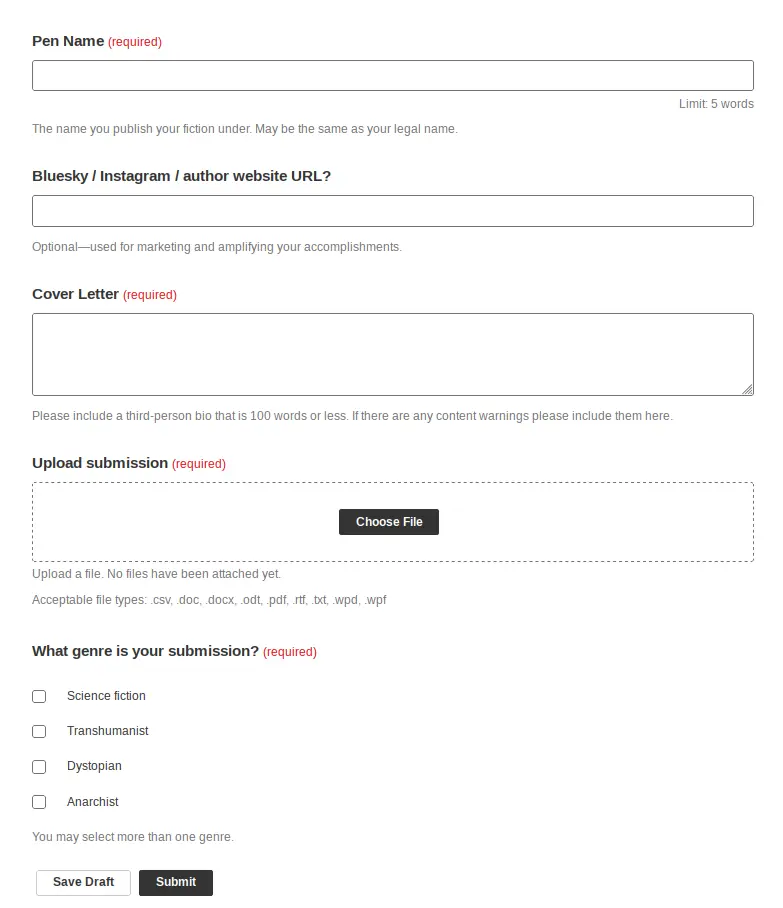
Email submissions still exist, but they’re rare and usually limited to smaller, newer, or niche publications. When a magazine does accept email submissions, the guidelines tend to be very specific about subject lines, formatting, and whether the story should be pasted into the email or attached as a file. In those cases, your email effectively is your cover letter, with the manuscript included exactly as instructed.
Postal submissions are now extremely uncommon and can generally be ignored unless a magazine explicitly asks for them.
Withdrawing a Short Story Submission
Sometimes you’ll need to withdraw a submission before the magazine has responded. Common reasons include:
- You’ve sold the story to another magazine (simultaneous submissions).
- You’ve realised the story has a major error and you want to revise it.
- You’ve decided the story isn’t a good fit for the magazine and you want to submit it elsewhere.
Withdrawing a submission is simple, but do it politely and professionally.
Moksha and Submittable allow you to withdraw directly through the portal. Log in, find your submission, and click “Withdraw.” You may be asked to provide a reason. If so, keep it brief: “Accepted elsewhere” or “Withdrawing to revise” is fine.
For email submissions, send a short, polite email to the submissions address. Include your story title and the date you submitted.
For example:
Subject: Withdrawal — “The Last Astronaut” by Emma Smith
Dear [Magazine Name],
I am writing to withdraw my story “The Last Astronaut” (submitted on [date]) from consideration. The story has been accepted for publication elsewhere.
Thank you for your time.
Best regards,
Emma Smith
Simultaneous vs Multiple Submissions
If you’re new to submitting short fiction, the terms “simultaneous submissions” and “multiple submissions” can be confusing. They sound similar, but they mean very different things, and getting them wrong can damage your reputation with editors. Here’s what you need to know.
What Are Simultaneous Submissions?
Simultaneous submissions mean sending the same story to multiple magazines at the same time. For example, you submit “The Last Astronaut” to Clarkesworld on Monday, and then submit the same story to Lightspeed on Tuesday while Clarkesworld is still considering it.
In many other areas of publishing (literary fiction, poetry, creative nonfiction) simultaneous submissions are widely accepted. Editors understand that writers don’t want to wait six months for a response before submitting elsewhere, so they build their processes around the assumption that any given story might be under consideration in multiple markets.
Speculative fiction is different.
The vast majority of SFF magazines do not accept simultaneous submissions. If you look at the submission guidelines for top markets like Clarkesworld, Asimov’s, and The Magazine of Fantasy & Science Fiction, you’ll see explicit statements telling you so.
Partly this is down to tradition. But there’s also a practical reason. SFF magazines tend to have faster response times than literary journals. Many respond within two to six weeks. A few, like Clarkesworld, respond within days. Editors probably think that if they’re committing to quick turnarounds, writers should commit to exclusive submissions in return.
This obviously makes the submission process more difficult. It means you can’t blanket-submit a story to ten magazines and see what sticks. You have to be strategic. generally, that means submiting to your top choice, waiting for a response, and then moving down your list if you’re rejected.
There are some exceptions. Augur Magazine, for example, excepts both multiple and simultaneous submitions. If a market accepts simultaneous submissions, great, take advantage of it. If they don’t, respect that policy. In some instances, violating could mean being blacklisted. Don’t risk it.
What Are Multiple Submissions?
Multiple submissions mean sending more than one story to the same magazine at the same time. For example, you submit both “The Last Astronaut” and “Beneath the Surface of Mars” to Clarkesworld on the same day.
Most speculative fiction magazines do not accept multiple submissions. They want you to send one story, wait for a response, and then, if you’re rejected, submit another story.
That might seem arbitrary but editors are managing hundreds or thousands of submissions at any given time. If every writer sent three stories at once, the slush pile would become unmanageable.
Rights, Reprints, Contracts, & Audio
When a magazine accepts your story, and draws up a contract, they’re not actually buying the story itself. They’re licensing the right to publish it. Understanding which rights you’re granting, and which you’re keeping, is an important part of protecting your work and maximizing your income over time.
Short fiction contracts are usually straightforward, and the rights involved are well-defined. Here’s what you need to know.
First Serial Rights
First serial rights (sometimes called first publication rights) give a magazine the right to be the first to publish your story. “Serial” here refers to periodicals; magazines, journals, and similar publications that appear in issues or installments.
When you sell first serial rights, you’re telling the magazine: “You can publish this story first, but I retain ownership, and after your exclusivity period ends, I can resell it elsewhere as a reprint.”
This is the most common rights grant in short fiction publishing. Almost every speculative fiction magazine buys first serial rights, sometimes with additional modifiers like:
First North American Serial Rights (The magazine has the right to be the first to publish your story in North America, but you can still sell first rights to a UK or Australian magazine)
First English Language Serial Rights (The magazine has the right to be the first to publish your story anywhere in the world in English)
First serial rights usually come with an exclusivity period. This is the window of time after publication during which you cannot republish the story elsewhere. Exclusivity periods typically range from three months to one year. After that period ends, the rights revert to you, and you’re free to sell the story again as a reprint.
For example, if Clarkesworld publishes your story in March 2026 with a six-month exclusivity period, you can start shopping it to reprint markets in September 2026.
Digital vs Print Rights
In the past, publishers distinguished between print rights (the right to publish in physical formats) and digital rights (the right to publish electronically). Today, most magazines bundle these together. When you sell first serial rights to a modern SFF magazine, you’re almost always granting both print and digital rights simultaneously.
This is standard and fair. Magazines like Asimov’s and The Magazine of Fantasy & Science Fiction publish both print and digital editions of each issue, and readers expect to be able to access stories in either format.
If a magazine tries to claim exclusive digital rights for an extended period beyond the normal exclusivity window, that’s a red flag. Digital rights are valuable, and you don’t want to lock them up unnecessarily.
Audio Rights
Audio rights give a publisher the right to create and distribute an audio version of your story—either as a standalone audiobook or as part of a podcast or audio magazine.
Many speculative fiction magazines now produce audio editions of their stories. Clarkesworld, Lightspeed, Escape Pod, and PodCastle all offer narrated versions. When you sell your story to these markets, the contract will usually include audio rights as part of the overall rights package.
This is generally fine, as long as the magazine is actively producing audio and the payment reflects the additional rights. For example, Clarkesworld pays $0.12–$0.14 per word, which covers print, digital, and audio publication. That’s fair.
What’s not fair is when a magazine asks for audio rights but has no track record of producing audio, and doesn’t offer additional payment for those rights. If a market is asking for audio rights, check their website. Do they actually publish audio? If not, you should negotiate to strike that clause from the contract.
SFWA recommends that audio rights should either be:
Excluded from the contract entirely (you retain them and can sell them separately), or Included with a separate payment structure that reflects their value.
If you’re unsure, ask. Most editors are willing to clarify or negotiate.
Translation Rights
Translation rights give a publisher the right to translate your story into other languages and publish it in non-English markets.
Most English-language SFF magazines do not ask for translation rights because they don’t have the infrastructure or relationships to license foreign editions. However, some do. If a magazine requests translation rights, make sure:
They have a track record of actually using them (e.g., they publish Spanish, French, or Chinese editions).
They’re paying you fairly for those rights.
SFWA’s guidance is clear: if a publisher isn’t actively using auxiliary rights like translation or audio, you should retain them. Don’t give away rights the publisher isn’t equipped to exploit. You might be able to sell them yourself later for additional income.
Reprint Rights
Reprint rights are the rights to publish a story that has already appeared elsewhere. Once your exclusivity period with the original publisher has ended, you can sell reprint rights to other markets.
Reprints typically pay less than original fiction, but they’re a valuable way to extend the life of a story and earn additional income from work you’ve already written.
Many anthologies and specialty magazines actively seek reprints. Examples include year’s best anthologies (like The Best Science Fiction of the Year edited by Neil Clarke), themed reprint anthologies, and markets like Daily Science Fiction or podcast magazines that occasionally publish reprints.
When selling reprint rights, make sure the contract specifies:
Non-exclusive reprint rights. You’re licensing the story for this one use, but you retain the right to sell it again elsewhere.
A clear term. How long will the story be available? Is there an exclusivity window for this reprint?
Never grant exclusive reprint rights unless the payment is exceptional. Your goal with reprints is to maximize the number of places your story appears, which means keeping the rights as flexible as possible.
Non-Exclusive Rights
Non-exclusive rights mean the publisher can publish your story, but you retain the right to publish it elsewhere at the same time (or shortly after). This is common with reprint markets and anthologies.
For example, if a reprint anthology buys non-exclusive rights to your story, you can still have that story available on your personal website, sell it to another anthology, or include it in a self-published collection.
Non-exclusive rights are usually paired with much lower pay, because the publisher knows they don’t have exclusivity. That’s a fair trade-off.
Rights Reversions
A rights reversion clause specifies when the rights you’ve granted to a publisher will revert back to you. This is really important.
Here’s why: sometimes magazines accept stories and then never publish them. The anthology deal falls through. The magazine folds. The editor leaves and the new editor has different tastes. Your story is stuck in limbo. You’ve sold the rights, but the magazine hasn’t published it, and you can’t sell it elsewhere.
A good reversion clause protects you by saying: “If you don’t publish this story within [X months/years], all rights revert to me automatically.” SFWA recommends including a reversion clause that looks something like this:
If Publisher fails to publish the Work within one (1) year from the date of this contract, all rights granted hereunder shall immediately revert to the Author.
Most reputable magazines include reversion clauses in their contracts. If yours doesn’t, ask for one. This is a standard, reasonable request, and any editor who refuses is sending up a red flag.
Additionally, make sure your contract specifies what happens to archival rights. Some magazines want to keep your story on their website indefinitely, even after the exclusivity period ends. This is usually fine. It’s good exposure for you, but make sure it’s clearly stated as non-exclusive archival rights. You should still be free to publish the story elsewhere.
What to Ask If You’re Unsure
Publishing contracts are legal documents, and if you don’t understand something, you should ask. Most editors are happy to clarify. Here are some questions you can ask:
- “What rights am I granting, and for how long?”
- “Is there an exclusivity period? When does it end?”
- “Are you asking for audio rights? Do you actively produce audio?”
- “Is there a reversion clause if you don’t publish the story within a certain timeframe?”
- “Will I retain the right to include this story in a future self-published collection?”
If the editor’s answers are vague, or make you uncomfortable, it’s perfectly okay to walk away at this stage. There are other markets. Don’t let your desire to be published push you into signing a contract you don’t understand or don’t agree with.
What SFWA Recommends
The Science Fiction and Fantasy Writers Association publishes model contracts and contract guidelines for short fiction. These are freely available on their website at https://www.sfwa.org/. If you’re a SFWA member, the Contracts Committee will review your contract for free and flag any problematic language.
Here’s what SFWA recommends for short fiction contracts:
1. Keep it simple.
A good short fiction contract should specify: the rights being granted, the payment, the exclusivity period, and the reversion terms. That’s it. Anything more complex than that deserves close scrutiny.
2. Don’t give away more rights than the publisher can use.
If a magazine doesn’t produce audio, don’t grant audio rights. If they don’t publish foreign editions, don’t grant translation rights. Retain what you can.
3. Negotiate separate payments for bundled rights.
If a publisher wants first serial rights, anthology reprint rights, and audio rights, they should pay you separately for each. Bundling everything into a single per-word rate undervalues your work.
4. Watch out for merchandising and adaptation rights.
Short fiction contracts should never include merchandising rights (e.g., the right to put your story on t-shirts or mugs) or film/TV adaptation rights. These are massive overreaches. If you see them in a contract, strike them immediately or walk away.
5. Protect your moral rights.
Some contracts include moral rights waivers, which allow the publisher to make changes to your work, remove your name, or license it without attribution. This is a serious problem, especially for writers outside the US where moral rights are more strongly protected. SFWA strongly recommends refusing to waive moral rights.
If you’re ever unsure about a contract, ask for help. SFWA members can email contracts@sfwa.org for guidance. Non-members can consult resources like Writer Beware or post questions in writing communities like Reddit’s r/writing or r/Fantasy.
How to Track Your Short Story Submissions
If you’re serious about selling short fiction, you need a system for tracking your submissions. Without one, you’ll lose track of where each story has been, forget response times, and risk accidentally submitting the same story to a magazine twice, which is both embarrassing and unprofessional.
Why Track Your Submissions?
A good submission tracker helps you:
See where each story is at a glance. Is “The Last Astronaut” currently out at Apex, or did you already get a rejection? A tracker tells you immediately.
Plan your next move. If Lightspeed rejects your story, you can quickly identify the next market on your list without having to rebuild your research from scratch.
Avoid duplicate submissions. Submitting the same story to a magazine you’ve already sent it to looks careless. A tracker prevents this.
Monitor response times. If a magazine’s guidelines say they respond in 30 days and it’s been 60, you know it’s time to query.
Analyse your success rate. Over time, you can see which markets accept your work most often, which genres you’re strongest in, and how many submissions it takes before you land an acceptance.
Excel or Google Sheets
The simplest way to track submissions is with a good ole fashioned spreadsheet. Google Sheets is free and accessible from any device. Excel works just as well if you already have it installed. I did it this way for years, and i’ve included my exact tracker in a free download, below.
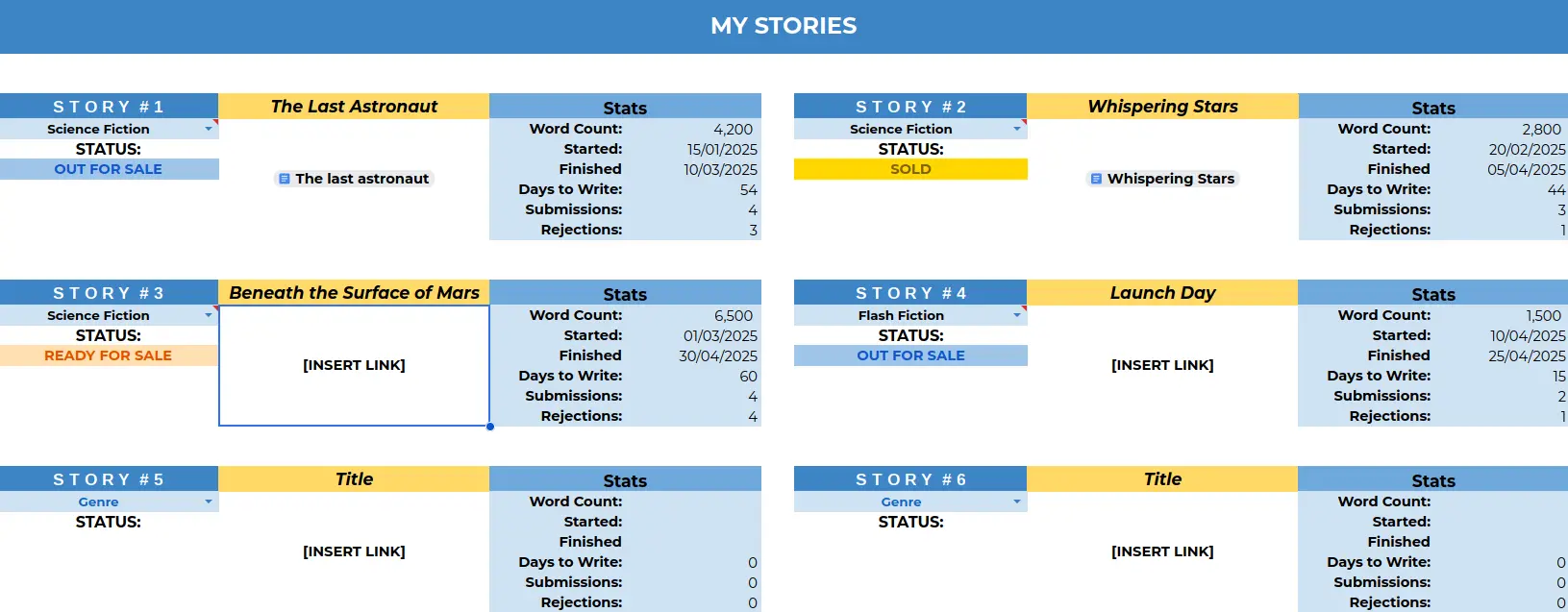
This tracker is designed to automate as much as possible. On the home page you enter key the details of your story and these are carried through the rest of the document. The title page also has a space to link your formatted manuscript for easy access.
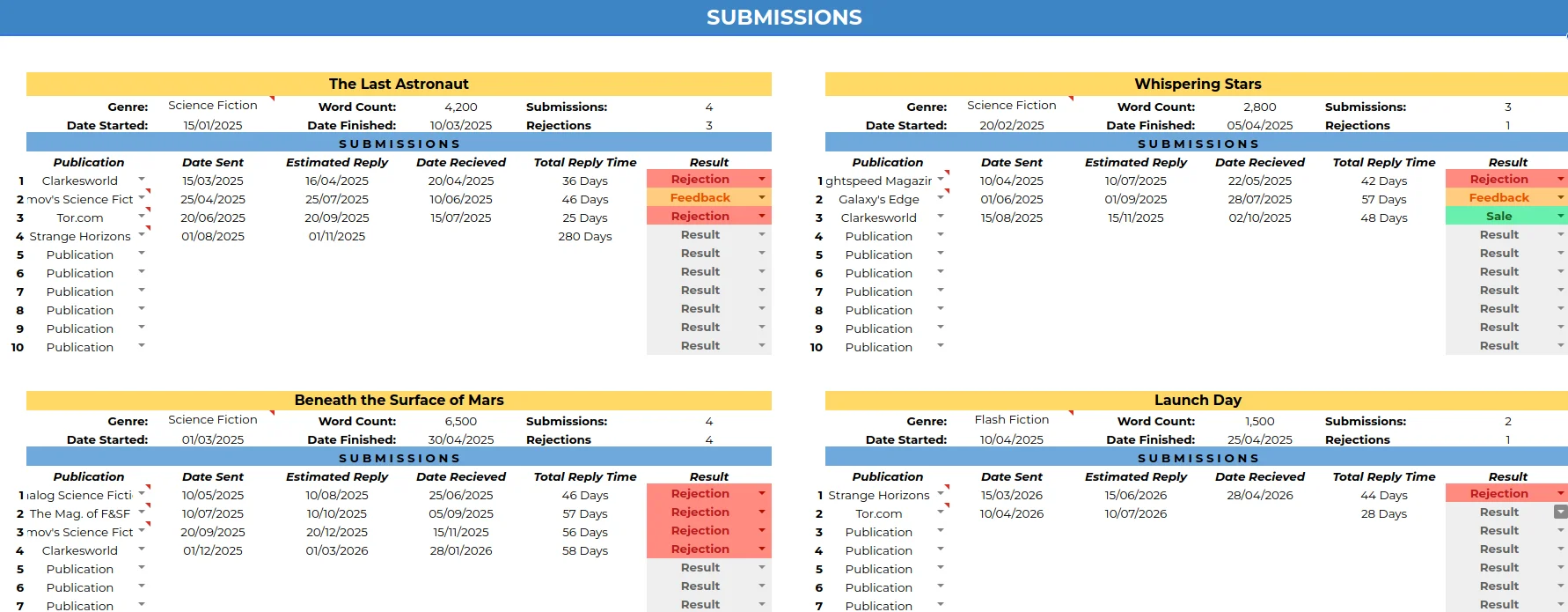
On the subissions page you choose the market from the dropdown, enter the expected reply date and the tracker counts down to that date, telling you exactly how long you have left to go.
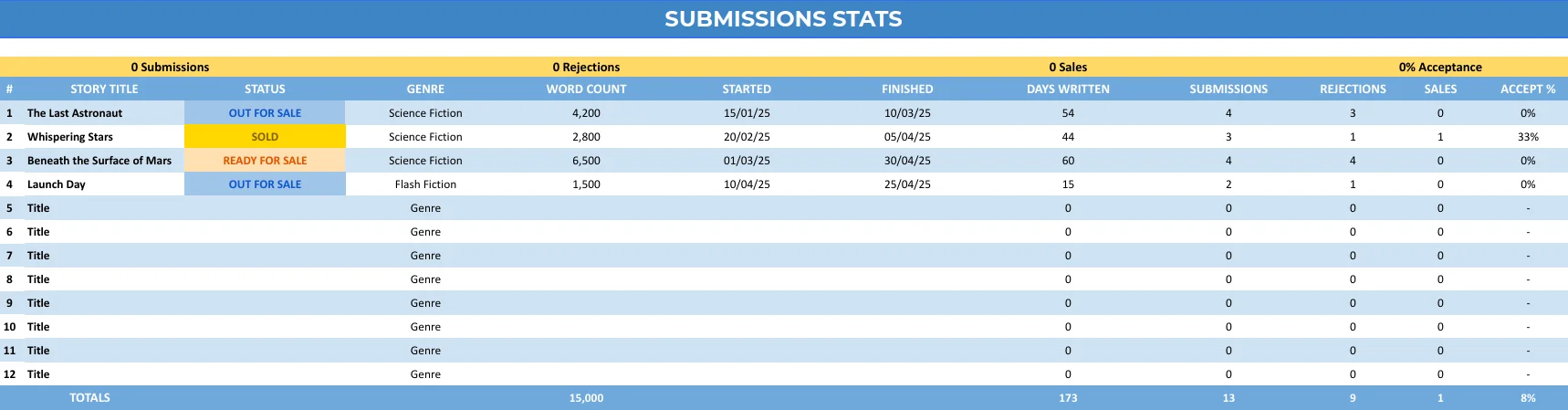
The stats page automatically keeps up to date with your total submissions, rejections and sales, as well as what is currently out for submission and what is ready to resubmit.
I used this for years until I built something a bit more technically invloved, but for most use cases it’s all you need. If you did want something more feature-rich, their are some paid alternatives you can try.
Duotrope (Paid, Professional-Grade)
Duotrope is the most polished and feature-rich submission tracker available. It’s been the industry standard for over a decade, and for good reason. In addition to being a tracker, it helps you find markets, analyse response times, and make smarter decisions about where to submit.
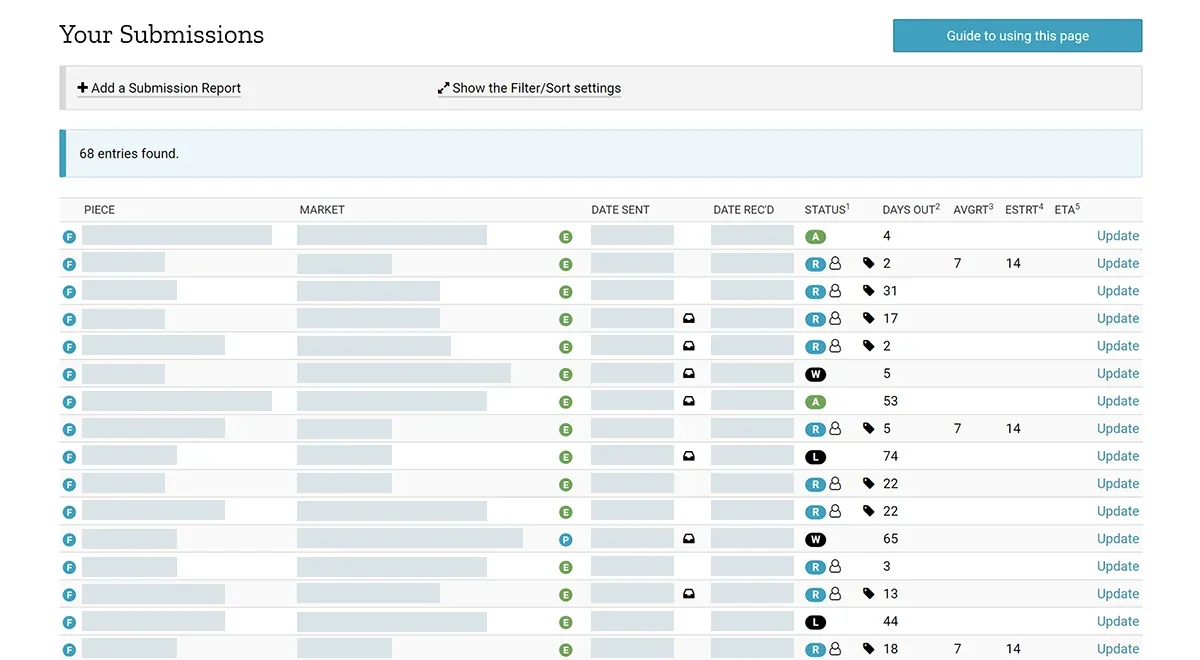
The main selling point here is that it’s an all-in-one solution that includes a database of over 7,700 markets. You can filter by genre, pay rate, response time, and dozens of other criteria. Then you log your submissions directly in Duotrope, and it will calculate how long you’ve been waiting, when to expect a response, and when to query if you haven’t heard back.
Duotrope costs $5 per month or $50 per year. There’s a seven-day free trial, but you’ll need to enter a credit card and cancel before the trial ends if you don’t want to be charged.
The Submission Grinder (Free, Community-Driven)
As mentioned earlier, The Grinder isn’t as polished as Duotrope, and the interface can feel a bit clunky, but it’s incredibly popular in the speculative fiction community, and it works well.
The Grinder is completely free, which is its biggest advantage. The downside is that it’s not as comprehensive or user-friendly as Duotrope.
Rejections, Tiers, And Editorial Feedback
Rejection is the defining experience of submitting short fiction. If you’re writing and submitting consistently, you will be rejected far more often than you’re accepted. Even the best writers working today, the Hugo winners, Nebula winners, and writers with decades of professional credits, still get rejected regularly. Your odds improve slightly at semi-pro markets, but even there, rejection is the norm.
The sooner you accept this reality, the easier submissions become. Rejection is not a reflection on your talent as a writer. It’s just part of the process.
That said, not all rejections are created equal. Understanding the different types of rejections can help you gauge your progress and decide when to revise a story versus when to keep circulating it as-is.
Form Rejections
A form rejection is a standardised, impersonal response that the magazine sends to the majority of rejected submissions. It’s usually brief, polite, and generic. Something like:
Subject: Re: “The Last Astronaut”
Thank you for submitting “The Last Astronaut” to Clarkesworld Magazine.
Unfortunately, it doesn’t meet our needs at this time. We wish you the best of luck placing it elsewhere.
Form rejections are by far the most common type of rejection you’ll receive. They don’t tell you why your story was rejected, and they don’t offer any feedback. They just acknowledge that the magazine has read (or at least processed) your submission and decided not to publish it.
What a form rejection means:
It means your story didn’t make it past the first round of readers, or it didn’t resonate with the editor. That’s all. It doesn’t mean your story is bad (though it might be). It doesn’t mean you’re a bad writer. It just means this particular story wasn’t a fit for this particular magazine at this particular time.
Form rejections are automated for efficiency. Editors receive hundreds or thousands of submissions per month, and they don’t have time to personalise every rejection. Responding to submissions at all is a courtesy.
Accept it, log it in your tracker, and submit the story to the next market on your list. Don’t read too much into it. Don’t dwell on it. Move on.
Tiered Rejections
Many magazines use tiered rejections, multiple versions of form letters with varying levels of encouragement. The higher the tier, the closer your story came to acceptance.
Tiered rejections are subtle. The differences between tiers might be a single sentence, or even a single phrase. For example, here are two example rejection letters from the same magazine:
Standard tier:
Subject: Re: “Beneath the Surface of Mars”
Thank you for submitting “Beneath the Surface of Mars” to Lightspeed Magazine.
Unfortunately, it’s not what we’re looking for at this time.
Higher tier:
Subject: Re: “Beneath the Surface of Mars”
Thank you for submitting “Beneath the Surface of Mars” to Lightspeed Magazine.
Unfortunately, I’m going to pass on it, but I look forward to reading more of your work in the future.
See the difference? The higher-tier rejection includes an invitation to submit again. This signals that the editor liked something about your writing, even if this particular story wasn’t a fit.
Not all magazines use tiered rejections, and those that do don’t always advertise the fact. Generally speaking, a teired rejection encourages you to submit again and includes any positive language (“enjoyed reading this,” “we were impressed,” “please send us more”)
What a tiered rejection means:
It means your story made it further in the editorial process than most submissions. Maybe it passed the first reader and went to a second round. Maybe the editor liked your voice but didn’t connect with this particular story. Maybe it was close to acceptance but lost out to another story.
A tiered rejection is genuinely good news. It’s a signal that you’re getting close. Take it as the win it is.
Log it as a tiered rejection in your tracker. If the editor encouraged you to submit again, take them at their word and send another story once you have one that’s ready.
Personal Rejections
A personal rejection is a rejection letter that includes specific feedback about your story. The editor might point out what worked, what didn’t, or suggest areas for improvement. Personal rejections are rare. Most editors simply don’t have time to write them, but they’re incredibly valuable when they happen.
Here’s what a personal rejection might look like:
Subject: Re: “The Last Astronaut”
Thank you for submitting “The Last Astronaut” to Strange Horizons.
I really enjoyed the protagonist’s voice and the atmospheric world-building in the opening scenes.
Unfortunately, I felt the pacing dragged in the middle section, and the ending didn’t quite land for me.
I’d love to see another story from you in the future.
Notice how specific this is. The editor has clearly read the story carefully and thought about what worked and what didn’t.
What a personal rejection means:
It means the editor took the time to engage with your story on a meaningful level. They might have genuinely liked it and struggled with the decision to reject it. They might see potential in your writing and want to encourage you to keep improving. Personal rejections are a strong signal that you’re on the right track.
Take the feedback seriously. If the editor points out specific issues, like pacing, character development, or unclear motivation, consider whether they’re right. You don’t have to agree with every piece of feedback, but if an editor who reads thousands of stories per year is telling you something isn’t working, it’s worth listening.
You can revise the story based on the feedback and submit it elsewhere, or you can leave it as-is and send it to a different market. The choice is yours. But either way, send that editor another story as soon as you have one ready. They’ve invested time in your work, and are likely signalling that they want to see more.
Rewrite Requests
A rewrite request is the rarest and most valuable type of rejection. It’s not technically a rejection at all. It’s an invitation to revise your story and resubmit it to the same magazine. Here’s what a rewrite request might look like:
Subject: Re: “The Last Astronaut”
Thank you for submitting “The Last Astronaut” to Uncanny Magazine.
I love the premise and the protagonist, but I think the ending needs work.
If you’re willing to revise, I’d be happy to take another look. Specifically, I’d suggest [detailed feedback].
Let me know if you’re interested in revising, and we can discuss further.
Rewrite requests are golden. Most editors don’t have the bandwidth to work with writers on revisions unless they’re seriously considering acceptance. If you receive one, it’s a huge compliment.
What a rewrite request means:
It means the editor sees publishable potential in your story and is willing to invest time in helping you get it there. They’re not promising acceptance, but they’re strongly implying that if you address their concerns, there’s a good chance they’ll buy the story.
How to respond:
Revise the story. Follow the editor’s suggestions as closely as you can, unless you have a strong artistic reason not to. Then resubmit it with a brief note explaining the changes you made.
If the editor accepts the revised story, congratulations. If they reject it again, don’t be discouraged. Sometimes a story just doesn’t work, even after revisions. But the fact that they took the time to work with you is still a positive sign.
When to Revise vs. When to Keep Circulating
One of the hardest decisions in the submissions process is figuring out when to revise a story and when to keep sending it out as-is. Here’s a general rule of thumb:
Revise if:
- You receive consistent feedback pointing to the same issue (e.g., multiple editors mention that the pacing drags, or the ending is unclear).
- You receive a rewrite request from an editor.
- You read the story again and realise there’s a genuine problem you can fix.
Keep circulating if:
- You receive form rejections with no feedback.
- You believe in the story as it is and don’t see a clear way to improve it without fundamentally changing what it’s about.
- There are markets you haven’t submitted to yet that you believe could be a good fit.
The truth is, some stories are just hard to place. They might be too weird, too quiet, too experimental, or too specific in their appeal. That doesn’t mean they’re bad (but again, they might be). It just means they need to find the right editor.
If you’ve submitted a story to 10 or 20 markets and it’s been rejected every time with no meaningful feedback, it might be time to set it aside and write something new. Or it might be time to revise it. Trust your instincts.
Why Rejections Are Normal
I said this at the beginning of this section, but it bears repeating: rejection is normal. Even the most successful speculative fiction writers working today get rejected regularly. N. K. Jemisin, who won three consecutive Hugo Awards for Best Novel, has been rejected. Ken Liu, one of the most celebrated short fiction writers of the past decade, has been rejected. Ted Chiang, who has written some of the most beatiful stories ever put to page, has been rejected.
The writers who succeed are the ones who keep submitting despite the rejections. They’re the ones who treat each rejection as data, feedback on which markets are a good fit for their work, and adjust their strategy accordingly.
Emotional Resilience
Rejections hurt. Even after years of submissions, even after dozens of acceptances, rejection still stings. You put your heart into a story, you polish it, and then nobody wants it. That’s always going to suck.
The key is learning not to take it personally. Editors aren’t rejecting you. They’re rejecting this particular story at this particular time. Maybe they already bought a similar story last month. Maybe they’re looking for something lighter, or darker, or quieter. Maybe they just didn’t connect with it.
Over the years, I’ve become way more comfortable with rejection. Here are a few strategies that helped me get there:
Keep multiple stories in circulation. If you only have one story out at a time, every rejection sinks you. If you have five or ten stories circulating, a single rejection is just one data point among many.
Celebrate the small wins. A tiered rejection is progress. A personal rejection is a huge win. Don’t wait for acceptances to feel proud of yourself.
Track your progress. Look back at your submission history six months ago. Are you getting more tiered rejections now? More personal feedback? Are you submitting more than you did last year? They’re all wins.
See rejections as currency. Rejection is the price of admission as a short story writer. They are proof that you’re playing the game. That you’re doing what you should be doing — writing stories and putting them out into the world, warts and all.
Take breaks when you need them. If you’re feeling burned out or demoralised, step back for a week or a month. Write something new. Read for pleasure. Go on a trip. Come back to submissions when you’re ready and feeling inspired.
Connect with other writers. Join a writing group, participate in online communities, attend conventions. You will find quickly that rejection is a universal experience. And that every published writer you admire has a folder full of rejections. The healthiest ones are proud of them.
The Professional Submission Strategy (2026 Edition)
Your chances of getting published in speculative fiction will improve if you go about treating submissions as a system rather than a series of one-off attempts. The writers who get published consistently have usually internalised a simple truth: the goal isn’t to sell any one story. The goal is to keep the machine running.
This section will walk you through how to build that machine.
Build a Pipeline of 6–12 Stories
The single most important shift you can make is to stop treating your stories as precious, perfect little creatures and start treating them as the fuel that feeds the machine. That is to say, moving away from the one-story-at-a-time mindset. If you have one story out on submission, a rejection stalls you completely. You’re back to waiting, or worse, you start second-guessing the story and revising it into oblivion.
A pipeline of six to twelve finished, submission-ready stories means that when a rejection lands in your inbox, you can resubmit that story within 24 hours and move on. You’re not emotionally dependent on any single outcome because there are five other decisions still pending. Rejections, for the most part, become purely administrative tasks.
Building this pipeline takes time, and that’s fine. If you’re starting from scratch, your first goal is simply to finish and polish three stories, then five, then push toward twelve. Once you have twelve strong stories circulating, you are playing the same game as working professionals. But remember that pipeline stories should be genuinely finished. Every story in your pipeline should be the best work you can currently produce, and here’s why…
Always Submit to the Top Tier First
This is one of the rules that separates professional thinking from amateur thinking. When you finish a story, your first submission should always be to a professional-rate market (currently defined by SFWA as paying at least eight cents per word). Clarkesworld, Asimov’s, Beneath Ceaseless Skies, Strange Horizons, and their peers should be your first stops.
Many writers do the opposite. They assume their work isn’t ready for the top tier, so they start at semi-pro markets to “test the waters.” This is a mistake for two reasons. First, you may be underestimating your own work (plenty of writers have sold their first story to a pro market). Second, semi-pro and token markets are not stepping stones in the way people imagine. Editors at the bigger magazines are not more impressed because you were previously published in a lower-tier market. What matters is whether the story in front of them is right for their magazine. Send your best work to the best markets. If it gets rejected, you’ve lost nothing. Response times at top markets are typically faster anyway , and you’ll have a more informed sense of where the story sits after a few pro rejections.
Keep 3–10 Stories Circulating at All Times
Think of this as your active inventory. At any given moment, you should have a minimum of three stories out on submission somewhere. Three is the floor. The point below which you’re not generating enough chances for something to land. Ten is a healthy ceiling for most writers.
If you check your tracker and everything has come home, it means the machine has stopped. Your first priority that day is to get stories back out into the market.
Writing new stories is how you maintain and grow the pipeline. Aim to finish and polish at least one new story every one to two months. Some will enter the circulation and perform immediately, others might need some time in the drawer until you can take them out, work on them again, and make them submission ready. The pipeline only stays healthy if you’re regularly feeding it.
Set Monthly Submission Goals
Vague intentions produce vague results. Rather than telling yourself you’ll “submit more this year,” set a specific monthly target and track it.
Set a realistic and sustainable goal. This will be different for every writer, depending on how quickly they write and how much time they have. I’d say four to eight submissions per month is a good goal to shoot for, which isn’t as daunting as it sounds. If you have ten stories in the pipeline and each one is working through its market list, the submissions happen naturally. You’re just processing rejections and moving stories forward.
At the start of each month, review your tracker. Which stories haven’t moved recently? Which markets have opened for new reading periods? Are there any anthologies or themed calls closing soon that fit something in your pipeline? Spend thirty minutes doing this review and you’ll find that your submission activity starts to feel more intentional and consistent.
Some months will be quieter than others but if you have a number to aim for, you’ll catch yourself before you drift into long stretches of inactivity.
When to Retire a Story
Not every story will sell, and part of professional thinking is knowing when to stop submitting one. There’s no universal rule, but there are some useful signals.
A story has probably run its course if it has been rejected by every market on your pre-planned list without a single personal response or encouraging note.
Before retiring a story, ask yourself a few questions. Would a fresh pair of eyes reveal something you’ve stopped being able to see? Could the story be substantially improved, and do you have the energy and perspective to do that work? If the honest answer is no, then maybe that the story has reached the end of its natural life on the submission circuit.
Retiring a story is just about recognising that your energy is finite and your newer work deserves the same careful attention as your older stuff had.
Furthermore, retring a story doesn’t have to mean the end of its life. Many retired stories of mine became the backbone of newer stories. Characters, themes, or even whole scenes can be lifted wholesale and placed in a different context. You could also go down the self publishing route. My first published collection was built from retired stories. I looked at them with fresh eyes, re-wrote them to fit a more cohesive theme, added a framing narrative that tied everything together, and packaged it all into Eidolon: 8 Tales of the Far Future.
The Mindset Behind the System
All of the above is mechanics. But the system only works if you’ve genuinely absorbed what it’s built on.
Publishing in speculative fiction is a long game. The writers you see in Asimov’s and F&SF today were, in many cases, collecting rejections from those same magazines for years before anything landed. Rejection is the process. Every professional submission is a bet, and like all bets, most of them don’t pay off. But you cannot win if you don’t keep placing them.
Just keep the machine running.
FAQs
How do I make my stories more appealing to editors?
The honest answer is that you can only control part of this. A great many rejections come down to fit rather than quality. An editor may reject a perfectly good story because it is too similar to something they recently bought, doesn’t match the magazine’s tone, or simply isn’t what they are looking for that week. That’s why so much of the advice online ends up sounding repetitive: read the magazine, follow the guidelines, format the manuscript properly, and submit strategically. None of that guarantees an acceptance, but it does stop you giving an editor easy reasons to say no.
Beyond that, the biggest thing you can do is make the first page work. Editors read a huge volume of submissions and many decisions are made very early. They want to feel quickly that the story is in confident hands — that the prose is clean, the situation is clear, and there is something interesting on the page beyond generic scene-setting or vague mystery. You do not need to explain everything at once, but you do need to create trust.
In practical terms, that usually means: submit to markets that genuinely fit your story, make sure the opening is clear and compelling, and present the manuscript professionally. After that, a large part of the process is patience, persistence, and accepting that even very good stories are often rejected for reasons you will never see.
How long should a short story be for magazine submission?
Most speculative fiction magazines publish short stories in the 1,000 to 7,500 word range, with the sweet spot sitting between 3,000 and 5,000 words. Stories under 1,000 words are typically classified as flash fiction and some markets have dedicated flash sections with separate submission guidelines. Stories over 7,500 words cross into novelette territory, which fewer markets publish and which are harder to place. Before you submit anywhere, check the specific word count limits in that market’s guidelines — these are firm limits, not suggestions, and submitting outside them is one of the fastest ways to earn an automatic rejection.
Can beginners submit to professional SFF magazines?
Yes, and you should. There is no experience requirement for submitting to any magazine, including the top professional markets. Editors do not know whether you are a first-time writer or a twenty-year veteran when they read your story, and they don’t care — they are evaluating the work in front of them. Many writers have sold their very first completed story to a pro-rate market. The only thing that disqualifies a submission is the submission itself. Write the best story you can, follow the guidelines, and send it to the best market on your list.
Should I include a content warning in my submission?
This depends on the market. Some magazines actively encourage or require content warnings. Others don’t mention them in their guidelines at all. I’ve made me thoughts on content warnings explicitly clear here. But if a market asks for them, and you’re happy to provide them, go for it. provide them.
Can I submit chapters from my novel to short fiction markets?
Generally, no. Most short fiction markets explicitly require work that stands alone as a complete story. A chapter extracted from a novel usually lacks the self-contained arc that editors are looking for. If a section genuinely functions as a standalone story with its own beginning, middle, and end, it may be submittable. It’s worth noting that a small number of markets also run excerpts from forthcoming novels as promotional features, but these are almost always solicited rather than open to general submission.
Should I mention my identity or background in a cover letter?
Only if it’s directly relevant to the story. If you’re drawing on a specific cultural heritage, lived experience, or community affiliation that gives the story its authority or grounding, a brief mention in the cover letter is appropriate and can be genuinely useful context for an editor. What you shouldn’t do is mention identity as a credential (even though in today’s landscape that sometimes feels like it can be useful).
Are pen names allowed for magazine submissions?
Yes. Pen names are entirely standard practice in publishing and no professional market will penalise you for using one. If you’re submitting under a pen name, the usual approach is to put your legal name in the contact details of your cover letter or manuscript header and your pen name in the byline field.
Why do SFF magazines take so long to reply?
Because the volume of submissions is genuinely enormous and almost all editorial work is done by small, often part-time teams. Clarkesworld received nearly 15,000 submissions in 2025. Even a magazine with a relatively small readership might receive several hundred stories a month. Most magazines operate with a tiered reading system: slush readers handle the first pass, and only a fraction of stories make it to senior editors. If your story is still under consideration after the average response time listed on The Submission Grinder, that can be a good sign. Sit on your hands and wait.
Can I self-publish a story after it has been published in a magazine?
Usually yes, but the timing and terms depend entirely on your contract. Most professional short fiction markets purchase first world rights or first North American rights for a defined exclusivity period — typically six months to a year from publication date. After that window closes, rights revert to you and you are free to republish the story however you choose: in a self-published collection, on your own website, in an anthology, or anywhere else. Some markets also purchase non-exclusive rights from the outset, meaning you can republish immediately. Read your contract before you do anything, and if you’re unsure, email the editor and ask — they deal with rights questions routinely and would far rather you ask than inadvertently breach your agreement. A story that has been professionally published also carries that credential with it into any collection, which is worth noting in your marketing.
Downloadables, Templates & Resources
The Submission Tracker
The tracker shown below is the same Google Sheets template I used for years. It’s set up to track each story separately — with a title page for story details, a submissions log that auto-calculates reply times, and a stats page that keeps a running count of your acceptances, rejections, and pending submissions.
Short Story Submission Tracker
The Google Sheets template I used for years, set up to track every submission from send date to final result, with stats that update automatically.
- Submissions log with auto-calculated reply times
- Colour-coded results: Sale, Rejection, Feedback
- Running stats: acceptances, rejections, pending
- Story details carried through all pages automatically
Downloads
- 2026 Speculative Fiction Market Guide (PDF) — all pro, semi-pro, and token markets in a clean, printable format.
- Obsidian version (Markdown) — the full market guide as a native Obsidian note, ready to drop into your vault.
Useful Links
Standards & Craft
- SFWA — Science Fiction and Fantasy Writers Association — the professional body that sets pro rate standards and publishes model contracts. Essential reading for anyone serious about submitting.
- William Shunn’s Proper Manuscript Format — the gold standard for manuscript formatting. Read the Modern format guide before your first submission.
- Writer Beware — SFWA’s watchdog resource for predatory publishers, vanity presses, and scam agents. Check any unfamiliar market here before signing anything.
Markets & Research
- The Submission Grinder — free, community-driven market database and submission tracker. Invaluable for checking current response times and market status.
- Duotrope — paid, premium market database and tracker ($5/month or $50/year). More polished than The Grinder; includes genre-filtered search and acceptance rate stats.
Submission Management
- Submittable — the most widely used submission platform in the industry. Create a free account to submit to any market that uses it.
- Moksha — open-source submission manager used by a growing number of indie markets.